Last updated October 15, 2026
DIY vs Professional ADU: The Houston Homeowner’s Decision Guide
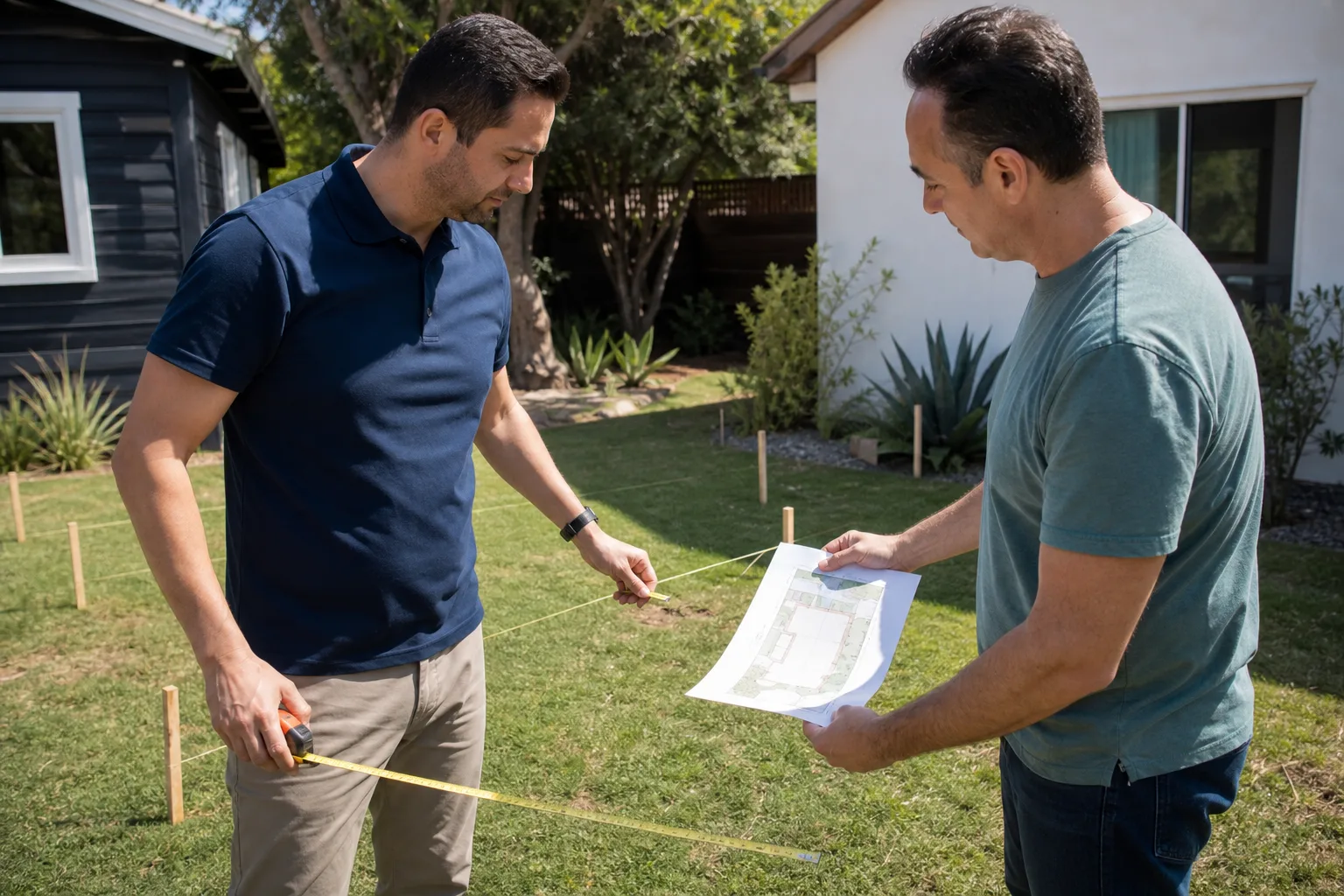
In Texas, you can legally act as your own general contractor, pull your own ADU permit, and hire individual tradespeople directly. Some experienced owner-builders in Houston save $30,000 to $50,000 doing exactly that. But here’s the part few people talk about: when you pull that owner-builder permit, Texas code hands you personal liability for every code compliance issue on the project, and that liability follows the property deed for years after you sell. This guide walks you through the real math, the actual legal exposure, and the hybrid approaches smart Houston homeowners use to split the difference, or explore more guides & resources for your project.
Quick Answer
Building an ADU as a DIY owner-builder in Houston can save 15 – 25% of total project cost, but the savings come with personal permit liability that a licensed contractor absorbs on your behalf. For most homeowners, the practical answer is a hybrid: hire a licensed GC for permitting, foundation, framing, and MEP rough-in, then self-perform finish work like painting, trim, and landscaping. The full-DIY route only makes sense if you have construction experience and plan to live in the home for a decade or more; otherwise, read our How to Hire a ADU Contractor in Houston: A Step-by-Step Guide.
Table of Contents
- What Texas Law Actually Says About Owner-Builder Permits
- The Realistic Cost Savings of Owner-Managing an ADU in Houston
- Which ADU Components Are DIY-Feasible (and Which Are Not)
- Houston Clay Soil and Flood-Plain Requirements: The DIY Trap
- The Hybrid Model: Licensed GC for Structure, DIY for Finish Work
- What to Insist On Before Any Contractor Steps Foot on Your Property
- Common Mistakes to Avoid
- When to Call a Professional
- Frequently Asked Questions
- The Bottom Line
What Texas Law Actually Says About Owner-Builder Permits
Texas is one of the more permissive states for owner-builder construction. Under Texas Occupations Code and the International Residential Code as adopted by the City of Houston, a homeowner can obtain a building permit for work on their own homestead without holding a contractor’s license. The permit application requires you to certify that you own the property, intend to occupy it as your primary residence, and will personally supervise the work.
That last clause is where most DIY ADU projects in Houston get into trouble.
When you sign an owner-builder permit application, you are certifying to the City of Houston that you will be on-site supervising work. You are also accepting responsibility for:
- Code compliance on every phase – framing, electrical rough-in, plumbing, insulation, final MEP, everything. The City’s inspector will cite you, not a subcontractor, if something fails.
- Disclosure at resale – Texas Property Code Section 5.008 requires sellers to disclose any work done without a licensed contractor if the work required a permit. An ADU you owner-built must be disclosed on the seller’s disclosure notice, and buyers’ lenders may scrutinize it.
- Latent defect liability – if a wiring issue, plumbing leak, or structural problem emerges after you sell, the buyer can pursue you personally. A licensed contractor’s liability insurance and warranty would normally absorb that claim.
There are also hard lines on which trades you cannot self-perform. The City of Houston requires licensed electricians for all electrical work, licensed plumbers for all water and drain lines, and licensed HVAC contractors for any heating or cooling installation. You can pull the permit as an owner-builder, but you cannot wire a panel or sweat a copper joint yourself and pass inspection. Those trades must be hired out to licensed professionals regardless of who holds the permit.
In practice, this means the true DIY scope in Houston is limited to the work between licensed trades: site prep that doesn’t touch utilities, framing (if you’re skilled), insulation, drywall, finish carpentry, painting, flooring, and landscaping. The mechanical, electrical, and plumbing rough-in will be done by licensed pros whether you pull the permit or a GC does.
The Realistic Cost Savings of Owner-Managing an ADU in Houston
The headline savings from owner-building an ADU in Houston come from two places: the general contractor’s markup and the overhead an established builder carries. A Houston GC typically charges 15 – 20% of total project cost for management, scheduling, procurement, and liability absorption. On a $220,000 detached ADU, that’s $33,000 to $44,000. Add in the fact that you can sometimes find individual tradespeople who bid slightly lower when working directly for a homeowner, and the realistic savings range is $30,000 to $50,000.
But that money doesn’t come free. Here’s what you’re trading for it:
- Time. An owner-builder ADU in Houston typically takes 12 – 18 months versus 8 – 10 months with a dedicated GC. That’s an extra year of carrying costs, insurance, and stress.
- Subcontractor priority. Houston tradespeople prioritize repeat clients – GCs who feed them steady work. A one-off homeowner job gets scheduled last, after better-paying repeat contracts.
- Material purchasing power. A GC who builds 10 ADUs a year gets better pricing at lumber yards, plumbing supply houses, and electrical distributors than a homeowner buying one project’s worth of materials.
- Error correction costs. When a sub makes a mistake on a GC-run project, the GC eats the cost and fixes it. When a sub makes a mistake on an owner-builder project, you’re either negotiating with the sub or paying someone else to fix it.
We’ve seen Houston homeowners who owner-built their ADU and saved $40,000. We’ve also seen homeowners who started owner-building, hit a framing error at month six, and ended up paying a GC more than full price to rescue the project. The savings are real but conditional on your ability to supervise work you may not fully understand.
Here’s a phase-by-phase breakdown of where savings actually materialize:
- Permit and design phase: $500 – $1,500 saved by self-filing rather than paying a GC’s administrative time. Minimal risk if you’re organized.
- Foundation phase: $2,000 – $4,000 saved by hiring the concrete sub directly. Moderate risk – Houston’s expansive clay soil means foundation errors are expensive to fix.
- Framing phase: $4,000 – $8,000 saved by hiring a framing crew directly. High risk – this is where structural mistakes compound.
- MEP rough-in: Little to no savings; licensed electricians and plumbers charge similar rates whether you or a GC hires them.
- Finish phase: $8,000 – $15,000 saved by doing drywall, paint, trim, flooring, and fixtures yourself. Low risk – this is where DIY genuinely shines.
Which ADU Components Are DIY-Feasible (and Which Are Not)
The question isn’t “can I build an ADU myself?” – it’s “which parts of an ADU are appropriate for a homeowner to self-perform without creating liability or resale problems?” Here’s the honest breakdown based on what we see in Houston.
Genuinely DIY-Feasible for a Skilled Homeowner
- Painting and staining – interior and exterior. Low risk, easy to fix mistakes, zero permit implications.
- Finish carpentry – baseboards, door trim, window casing, crown molding if you have the patience. No code requirements for finish trim.
- Flooring installation – floating LVP, engineered wood, tile if you’re patient with layout. No permit required for finish flooring.
- Landscaping and drainage swales – grading around the ADU, planter beds, gravel or paver walkways. No permit for basic site work that doesn’t affect drainage patterns on neighboring lots.
- Interior door installation – pre-hung doors, hardware, basic adjustments. No inspection required.
- Cabinet installation – kitchen and bath cabinets, floating shelves, closets. No permit required.
Not DIY-Feasible Without Creating Liability
- Electrical rough-in: Houston requires a licensed electrician. A homeowner literally cannot legally pull electrical rough-in on their own ADU. Even if you know how to wire a panel, the City won’t pass it without a licensed EC’s stamp.
- Plumbing rough-in: Same deal. A licensed master plumber must perform and certify all water, drain, and vent lines. No homeowner exception exists.
- HVAC installation: A licensed HVAC contractor must size, install, and commission the system. Improper sizing in Houston’s humidity leads to mold – and mold is a disclosure item at resale.
- Structural framing: While technically legal for an owner-builder to self-perform, framing errors create the most expensive fixes. A wall that’s out of plumb by half an inch cascades into drywall, trim, door, and window problems. If you don’t have framing experience, this is the worst place to learn.
- Roofing and waterproofing: Houston gets 50+ inches of rain annually. A roof leak caught late means mold remediation, which is far more expensive than the roof labor you’d save.
One data point worth knowing: the City of Houston performs framing, rough-in, and final inspections on all permitted ADUs. If an inspector finds unpermitted or unlicensed work, they can issue a stop-work order that halts your entire project until the issue is corrected by a licensed professional. That correction often costs more than hiring the licensed pro in the first place.
Houston Clay Soil and Flood-Plain Requirements: The DIY Trap
Houston sits on a bed of expansive clay soil – the Beaumont and Hockley formations that run under most of Harris County. This soil expands when wet and contracts when dry, with enough force to crack a slab foundation that wasn’t engineered for it. In neighborhoods like Meyerland, Timbergrove, and parts of Oak Forest, we regularly see foundation movement of an inch or more between wet and dry seasons.
For a DIY owner-builder, this is the single most dangerous place to cut corners.
A properly engineered ADU foundation in Houston typically requires one of three approaches:
- Drilled piers – concrete piers driven deep enough to reach stable soil below the clay layer. Common in areas with high plasticity index soil. Cost: $8,000 – $15,000 depending on pier count and depth.
- Post-tension slab – a reinforced slab with internal steel cables tensioned after the concrete cures. Allows the slab to flex without cracking. Cost: $10,000 – $18,000 for an ADU footprint.
- Elevated pier-and-beam – preferred in flood-prone areas, where the first floor sits above the base flood elevation. Cost: $12,000 – $22,000.
If you’re in a FEMA-designated flood zone – and much of Houston inside Beltway 8 is – the City requires elevation certificates and specific foundation designs before a permit is issued. A homeowner who self-files without understanding these requirements will have their permit rejected or, worse, build something that fails inspection and needs to be torn out.
Also worth knowing: Harris County adopted newer flood-plain maps in recent years, and some lots that weren’t previously in the 100-year floodplain now are. Before you commit to a DIY ADU, pull your flood map panel from the Harris County Flood Control District. If you’re in a Special Flood Hazard Area, the DIY savings evaporate quickly because foundation engineering and elevation requirements consume the margin you were trying to protect.
The Hybrid Model: Licensed GC for Structure, DIY for Finish Work
Here’s the approach we see working best for Houston homeowners who want to save money without accepting structural or permit liability: hire a licensed GC for everything from permit through drywall, then self-perform finish work under a written agreement.
The contract is the critical piece. A standard GC contract assumes the GC’s crew will perform all work. If you want to self-perform finish trades, you need a scope split agreement that explicitly states:
- What the GC is responsible for: permit filing, site prep, foundation, framing, MEP rough-in, insulation, drywall, and all required inspections through the City of Houston.
- What you’re responsible for: painting, trim, flooring, fixtures, cabinetry, and any landscaping.
- Who pulls the final inspection: Typically the GC, since their license and name are on the permit. You finish your scope before final inspection is called.
- Warranty boundaries: The GC’s workmanship warranty covers their scope. Your self-performed finish work is on you. Any defect in the GC’s scope remains their liability even if your finish work touches it.
- Change order protocol: If you discover during finish work that you need the GC back for something (a missed outlet, a drywall patch), that’s a change order with written pricing before the work starts.
The savings from this hybrid approach typically run $8,000 to $15,000 on a standard Houston ADU – less than full owner-builder, but with dramatically lower risk. You absorb finish-work liability, which is manageable. The GC absorbs structural and permit liability, which is where the real exposure lives.
One more thing about the hybrid model: ADU builders in Houston who work regularly with owner-builders know how to structure these agreements. When you’re interviewing contractors, ask specifically whether they’ve done scope-split projects before. If they haven’t, the contract negotiation will be painful – and a pain-filled contract process usually signals a pain-filled project.
What to Insist On Before Any Contractor Steps Foot on Your Property
If you’ve decided to hire a contractor for any part of your ADU project – full build, structure-only, or even just MEP rough-in – there are non-negotiable things to confirm before the first truck rolls up, as outlined in our Home Addition Contractor Maintenance Checklist for Houston Homeowners. Houston has thousands of contractors, and the quality gap between the best and the worst is enormous.
Here’s our baseline checklist:
- A written price before any work begins. Not an estimate range. Not a verbal ballpark. A written, line-item price you can hold in your hand. In our experience, Houston jobs that start with a verbal quote end with a 20 – 30% higher final invoice roughly half the time.
- Written identification of who will be on-site. You should know the names of the lead carpenter, the superintendent, and the project manager before day one. You should also know whether subcontractors will be used and who they are.
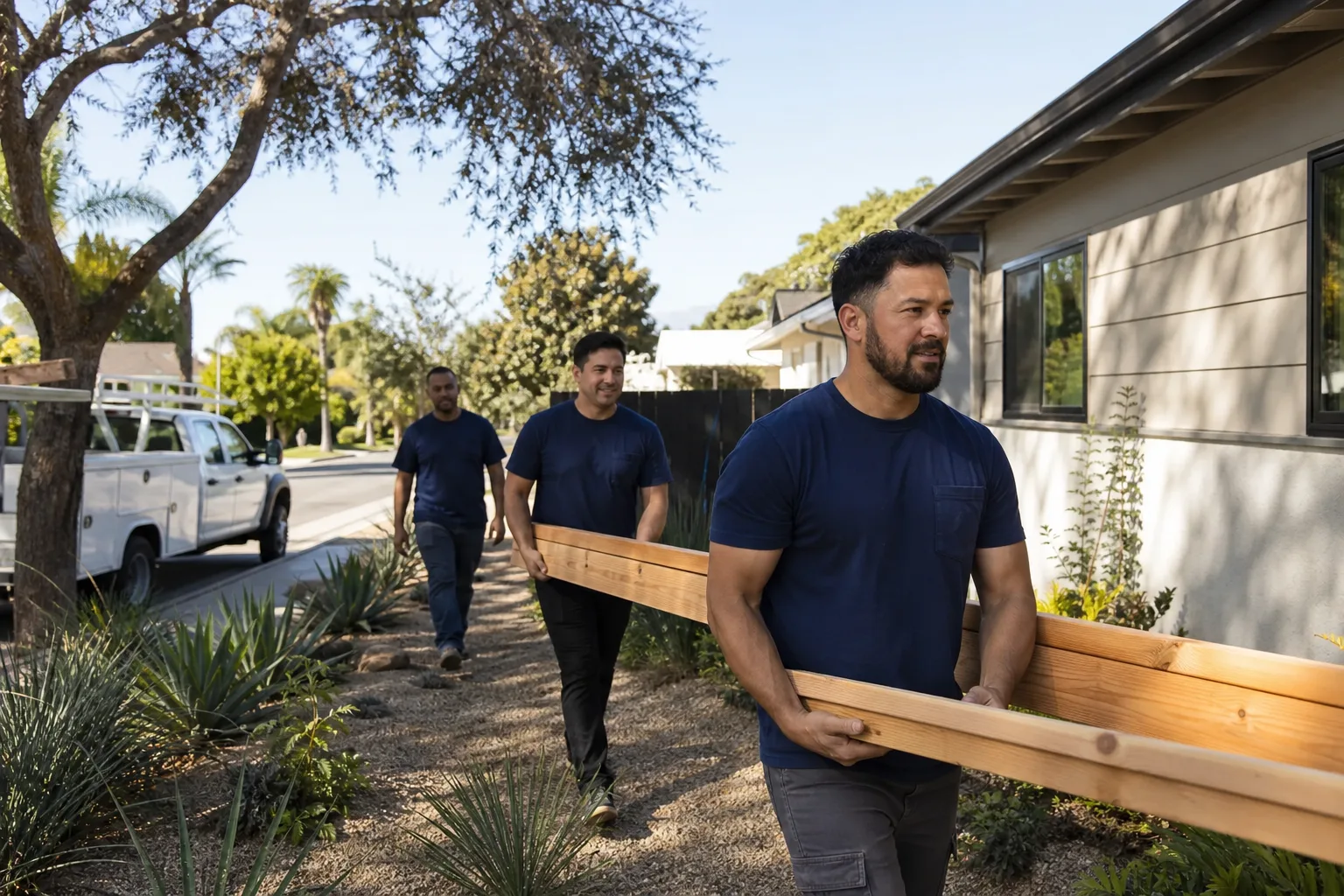
- Background-check and identity verification. This is the part most homeowners skip, and it’s the part you’ll regret skipping. The people in your backyard for six months should be people you’ve vetted. At Sutton ADU Houston, we operate under the Threshold Standard, which means every field technician is background-checked, identity-verified, uniformed, and photo-badged – and you receive their name and photo before they arrive.
- A written workmanship warranty. At minimum, one year. If a contractor won’t put their workmanship warranty in writing, walk away. The home addition contractors in Houston who stand behind their work have no problem writing the guarantee down.
- Proof of insurance. General liability and workers’ compensation. If a worker gets hurt on your property and the contractor lacks workers’ comp, your homeowners insurance becomes the payer. That’s not a hypothetical – it happens every year in Houston.
These aren’t optional niceties. They’re the difference between a project you’d recommend to a neighbor and one that follows your house through three future sales.
Common Mistakes to Avoid
- Pulling an owner-builder permit without reading the disclosure requirements. Texas Property Code requires you to disclose owner-builder work at resale. Many Houston homeowners learn this at the closing table, when a buyer’s lender asks for contractor documentation that doesn’t exist.
- Underestimating Houston’s clay soil. Building a slab on undersized footers because “it’s just an ADU” is how you get a cracked foundation in year three. The soil here doesn’t care about your budget.
- Skipping the flood-plain check. Harris County flood maps changed significantly in recent years. A lot that was dry in 2010 might not be now. Check before you design, not after you pour.
- Hiring unlicensed tradespeople for electrical or plumbing. It’s cheaper until the inspection fails, the stop-work order lands, or the wiring fault burns something. Houston requires licensed ECs and master plumbers – there’s no homeowner exception.
- Thinking a GC markup is pure overhead with no value. A good GC’s markup buys you scheduling leverage, material discounts, code knowledge, liability absorption, and someone to call when things go wrong. It’s not free, but neither is the alternative.
- Starting DIY finish work before final inspection. Some Houston inspectors will fail a final if they see unpermitted work, even cosmetic. Coordinate your DIY scope with the permit close-out.
- Not asking who will actually be on-site. The person who quotes your project may never return after the contract is signed. Know who’s coming to your property, and verify their identity before you open the door.
When to Call a Professional
If your ADU requires structural work, MEP rough-in, or a permit with your name on the liability line, hire a professional. That’s the short version. The slightly longer version: if you have any question about Houston’s soil conditions, flood-plain requirements, or inspection sequencing, a licensed contractor’s knowledge is cheaper than your learning curve. If you’re older, home alone during the day, or have young children, the vetting question becomes even more important – you deserve to know exactly who is coming to your property.
Sutton ADU Houston offers free estimates in Houston – call (940) 242-3207 to talk through your project and get a written price before any work begins.
Frequently Asked Questions
A homeowner-managed ADU in Houston typically costs 15 – 25% less than a contractor-built project, with total savings of $30,000 to $50,000 on a $200,000 – $300,000 build. But those savings shrink fast when accounting for your time, error corrections, and the subcontractor scheduling delays that owner-builders routinely face. Call (940) 242-3207 for a written estimate of your specific project scope.
Yes, Texas law and City of Houston code allow a homeowner to pull an owner-builder permit for work on their own homestead. The catch: you must personally supervise the work, you accept full code compliance liability, and you’ll need to disclose the owner-builder work when you sell the property under Texas Property Code Section 5.008.
Painting, flooring, finish carpentry, cabinetry, and landscaping are all DIY-feasible without a license in Houston. Electrical, plumbing, and HVAC work require licensed contractors regardless of whether you pull the permit as an owner-builder or hire a GC – there is no homeowner exception for those trades.
Houston’s expansive clay soil means an ADU foundation typically needs drilled piers, a post-tension slab, or an elevated pier-and-beam system, adding $8,000 to $22,000 to project cost depending on foundation type and soil conditions on your specific lot. Skipping this engineering is the most expensive mistake a Houston owner-builder can make.
Not if you have a written, fixed-price contract. The Threshold Standard requires a written price before any work begins, and our 365-Day Done Right Promise covers workmanship defects for one full calendar year from completion. If a contractor can’t commit to a written price, that’s your signal to keep looking.
Yes. Texas Property Code requires sellers to disclose any work done without a licensed contractor if that work required a permit. An owner-built ADU must be disclosed on the seller’s disclosure notice, and a buyer’s lender may request documentation proving the work passed inspection. Call Sutton ADU Houston at (940) 242-3207 for help understanding your specific disclosure obligations.
The Bottom Line
Building an ADU in Houston is a six-figure decision with permanent consequences – on your property value, your resale timeline, and your legal exposure. The DIY-versus-hire question isn’t really about whether you can swing a hammer. It’s about whether you want to personally hold the permit liability on a structure that will outlive your time in the home. For most people, the hybrid model wins: hire a licensed, vetted contractor for the structural and permit work, save money on finish trades you can genuinely do well, and get every agreement in writing before the first tool is lifted. For ongoing upkeep, see our Seasonal ADU Care for Houston: Year-Round Homeowner’s Guide. That’s the path that protects your wallet and your deed.
Written by Miles Hartwell, Owner at Sutton ADU Houston, serving Houston since 2006.