Dvele Room Addition Contractor in Houston: What to Know First
Dvele room addition work in Houston typically requires a contractor who understands how the home’s prefabricated wall panels, integrated mechanical systems, and structural steel frame connect to new construction. We’re an independent Dvele service provider, not a factory-authorized shop, and that matters: we’ll give you an honest read on what your addition needs, what it costs, and where factory constraints shape the job. Most Dvele owners who call us need one of two things: a seamless room addition that matches the existing structure’s envelope, or repairs to failed connections before an addition goes in. If you own a Dvele home in Houston and you’re planning to add square footage, call (940) 242-3207 and we’ll walk you through what we’re seeing on homes like yours.
How Dvele Products Fail – and How We Fix Them
Dvele builds its homes around prefabricated wall cassettes, factory-installed mechanical rough-ins, and a steel moment frame. That’s a fundamentally different animal from stick-built Houston construction, and failure modes follow the system, not the weather alone. Here’s what we actually see on Dvele homes in Houston when an addition is on the table:
- Wall cassette joint separation at the addition tie-in. Dvele’s factory-built wall panels ship with precise tolerances, but Houston clay soil expands and contracts enough that the original panel joints can shift a quarter inch or more over a few wet-dry cycles. When we frame a room addition against a Dvele wall, we install an expansion-tolerant slip connection rather than a rigid tie. We’ve fixed enough of these on Dvele’s Signature series homes in Houston to know the joint will move; the question is whether your addition moves with it or fights it.
- Factory mechanical chases that don’t route cleanly to a new wing. Dvele runs electrical and plumbing through factory-cut chases in the wall cassettes. Adding a room means extending those runs, and the factory layout doesn’t always leave a clean path. On Dvele’s Sierra and Cascade plans we commonly see the main electrical panel fed from a chase that lands on the wrong side of the wall for a south-facing addition. We map the existing runs before we cut anything, and we’ll tell you if the factory layout means your addition needs a subpanel rather than a splice.
- Envelope transitions that leak at the roofline within two years. Dvele’s flat and low-slope roof assemblies use a specific membrane system. When a Houston roofer unfamiliar with the product ties a new gabled addition into a Dvele roof, the transition flashing almost always fails at the membrane seam, not the shingle. We’ve corrected this on multiple Dvele homes in the Montrose area, where the original roofline meets a new room and the first heavy storm finds the weak point. We use a compatible membrane transition and counter-flash the seam the way the factory envelope demands, not the way a standard shingle roof would be flashed.
- Steel frame connection plates that were never meant to carry a new load path. Dvele’s moment frame handles lateral loads differently than a wood shear wall. If you’re adding a second story or vaulting a ceiling as part of the room addition, the existing steel connections need reinforcement. We’ve inspected Dvele homes in Houston where the connection plates are in fine shape for the original floor plan but undersized for the new load. We bring in a structural engineer for that specific connection before we pull the permit. No guesswork.
- Factory-installed windows and doors that bind after a new foundation section settles. Houston’s expansive clay means any new foundation work settles at a slightly different rate than the original slab. On a Dvele home, that differential movement telegraphs straight to the factory-set window frames in the adjacent wall. We’ve seen Dvele’s floor-to-ceiling glazing units crack along the frame corners within eighteen months of an addition that was tied too rigidly to the existing slab. We spec independent footings for large additions and leave a controlled joint at the slab edge.
Our Dvele Room Addition Contractor Process
Here’s how a Dvele room addition actually goes with us, from your first call to the final walkthrough:
- 1
Call and conversation. You’ll talk to a live person, every time. We’ll ask what the space needs to do, not just the square footage. Miles Hartwell puts it plainly: “Tell me what you actually need the space to do, and we’ll figure out the rest from there.”
- 2
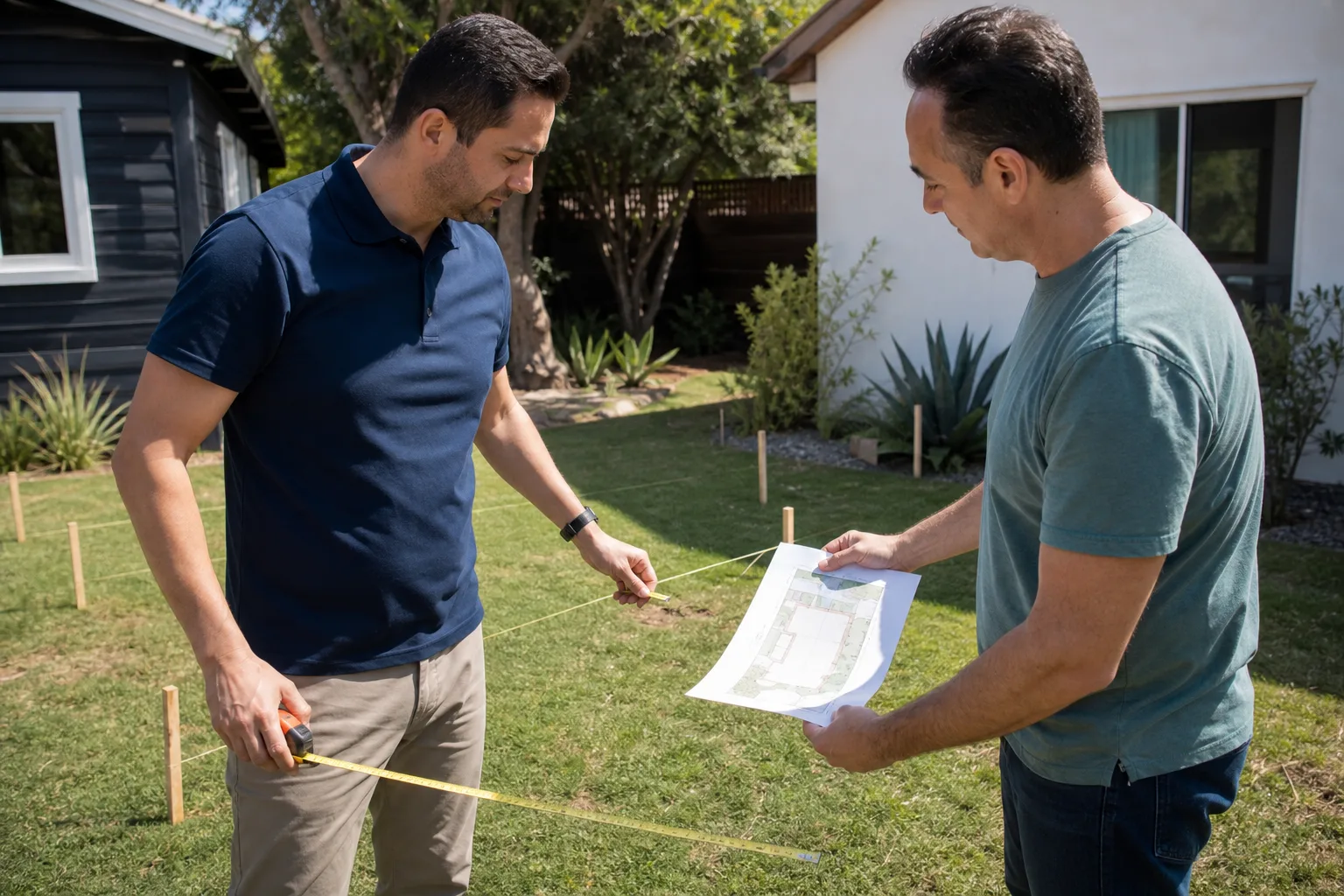
Site visit and Dvele-specific inspection. We examine the existing wall cassettes, mechanical chases, roof membrane, and steel connections. This isn’t a drive-by. We’re on the property, measuring and documenting.
- 3
Written price before any work begins. You get a line-item written quote. No change orders show up later without a conversation and your signature. The price you approve is the price you pay.
- 4
Permit and plan work. We pull the Houston permits. That includes structural review where the addition ties into the Dvele frame or the roof assembly. We don’t start cutting until the city signs off.
- 5
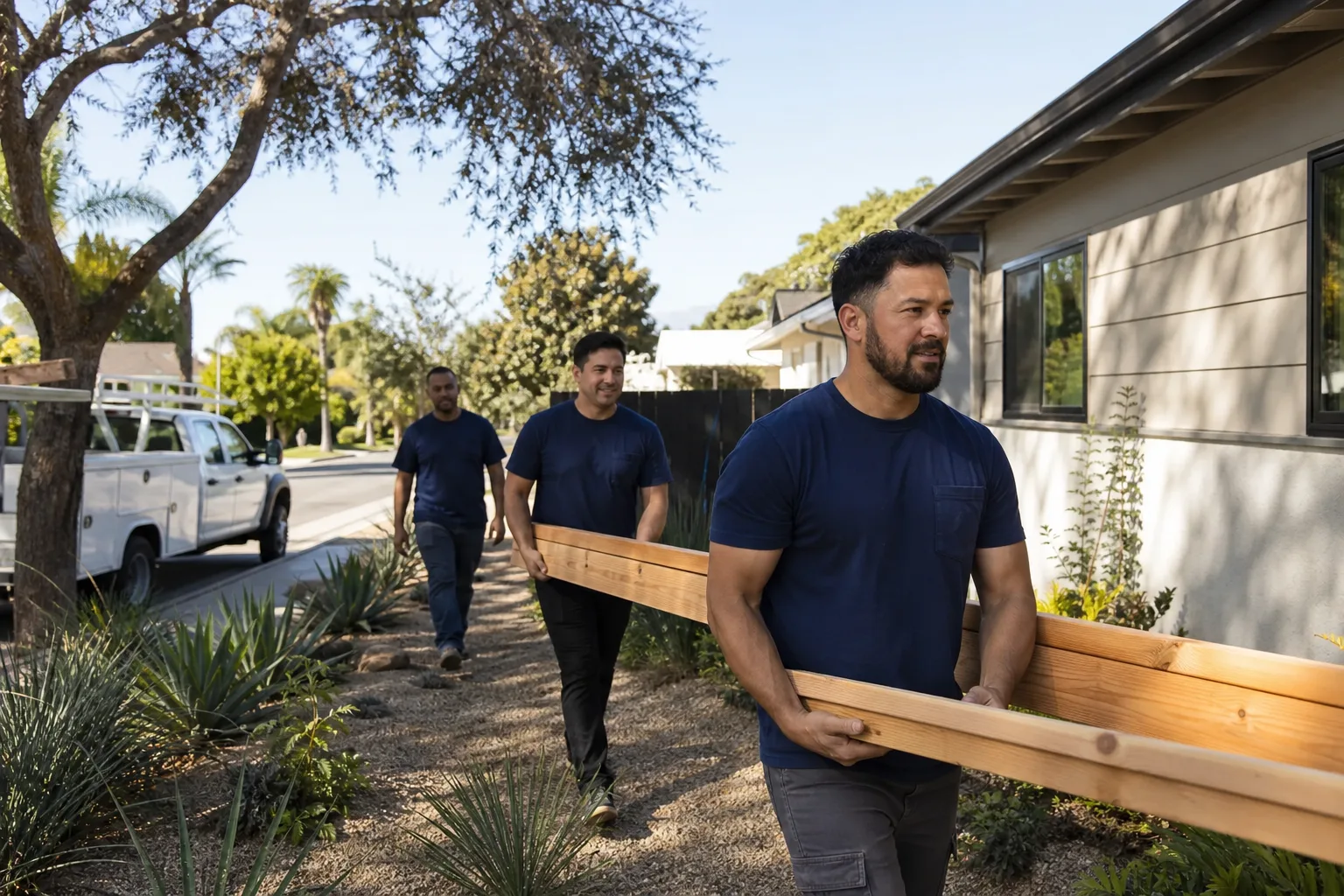
The build. Your Threshold Verified crew arrives in marked uniforms, photo ID badges shown at the door, names and photos sent to you before the visit. Every day, the same standard: background-checked, identity-verified people on your property.
- 6
Testing and the 365-Day Done Right Promise. We test the envelope, the tie-ins, and the mechanical extensions. The work is covered for one full calendar year from project completion. If something isn’t right, we make it right. No haggling, no fee.
What Dvele Room Addition Contractor Costs in Houston
Straight numbers: a modest single-room addition on a Dvele home in Houston, tied into the existing envelope and mechanical systems, typically runs $85,000 to $140,000 when you include the structural engineering review, permit fees, and finish work. A larger addition with a bathroom or a kitchenette lands in the $150,000 to $250,000 range. A second-story addition on a Dvele home, which requires reinforcing the steel moment frame connections and re-engineering the load path, starts around $275,000 and can exceed $400,000 depending on the scope. What moves the price: whether your Dvele roof membrane needs a full transition assembly, whether the factory mechanical chases route cleanly or force a subpanel, and whether the existing slab can take the new footings or needs independent piers. Every quote is written and itemized before work starts. Call (940) 242-3207 for a free estimate on your specific addition.
Why Houston Homeowners Call Sutton ADU Houston for Dvele Work
Sutton ADU Houston has been doing residential additions in Houston since 2006, and we’ve spent several years specifically on Dvele homes across the area, including jobs in Montrose where lot lines and older foundations keep you honest. The Threshold Standard is the reason people trust us with a Dvele addition: a written price before any work starts, the 365-Day Done Right Promise covering workmanship in writing, and a free second visit if any element fails. Everyone who steps onto your property is background-checked, identity-verified, uniformed, and photo-badged, and you get their name and photo before they arrive. We also work with Abodu and Cover systems, so if your Dvele addition conversation shifts toward a detached ADU instead, we can give you an honest comparison rather than a sales pitch. Sutton, by the way, is an old English name for a south farm. Adding a second structure to your lot is exactly that kind of rooted decision.
FAQs
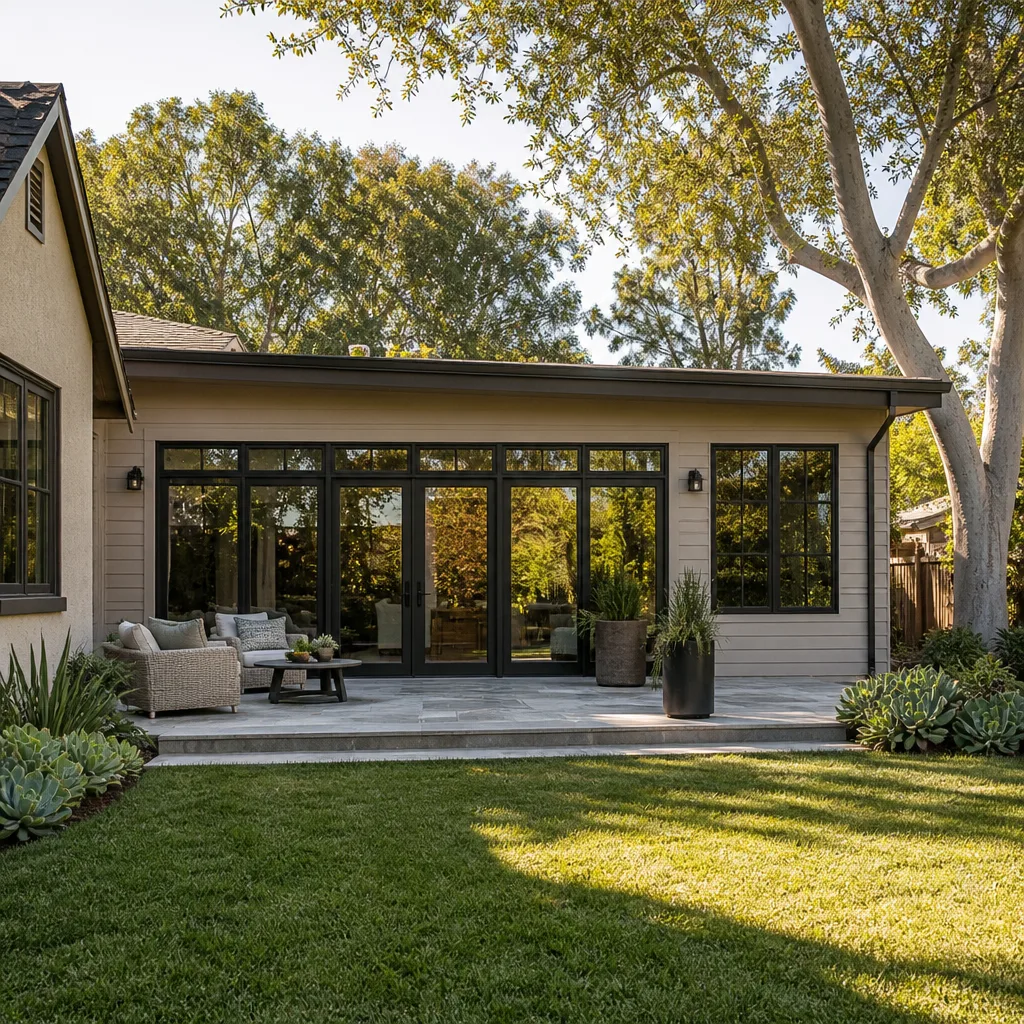
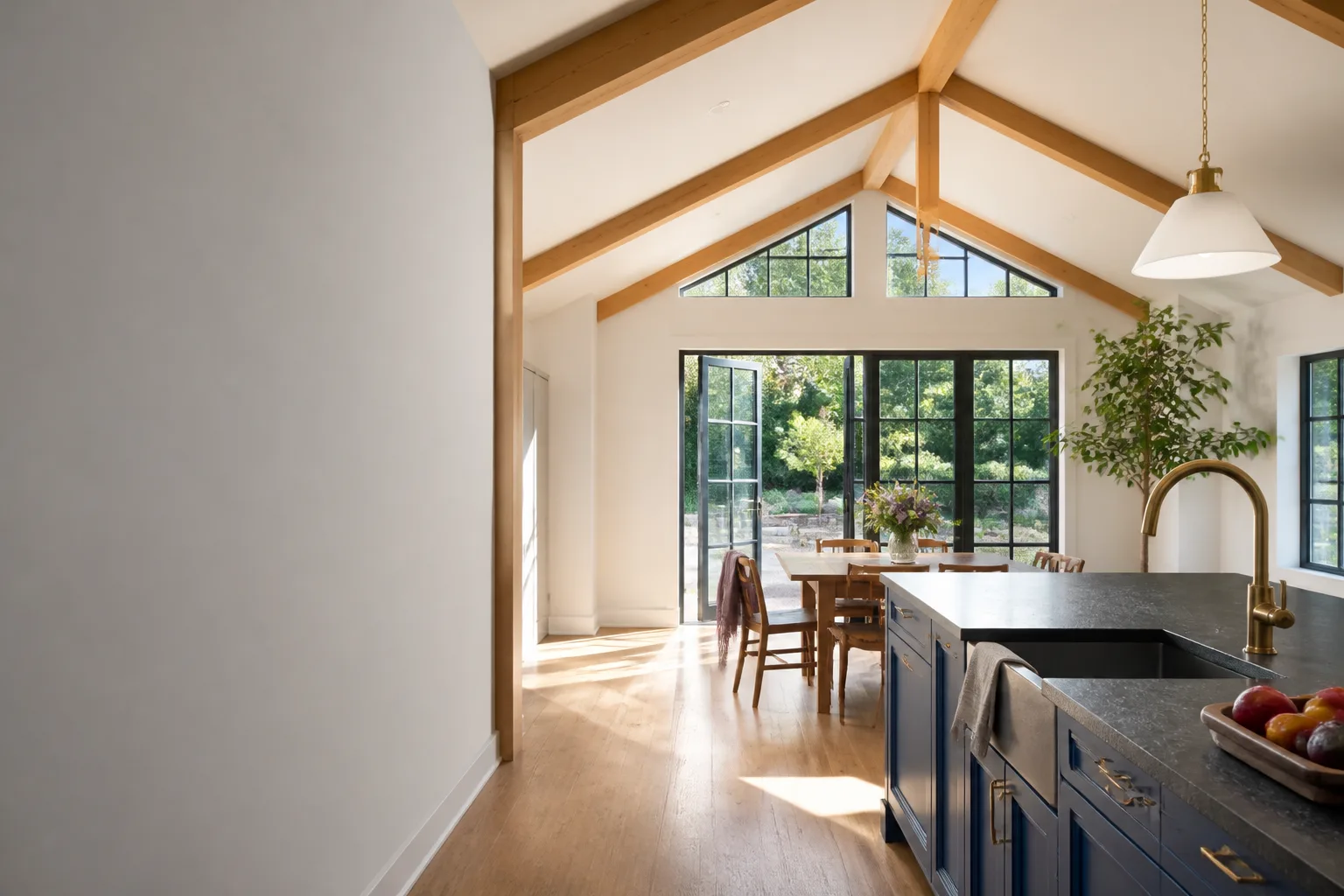
Yes. We match Dvele’s factory panel dimensions, exterior cladding profiles, and roof membrane transitions so the addition reads as part of the original structure, not a bolt-on. The critical step is mapping the factory wall cassette layout before we frame, because Dvele’s panel seams don’t land where standard 16-inch stud framing assumes they will. Call (940) 242-3207 and we’ll tell you whether your specific elevation can be matched cleanly.
Possibly, and you should read your warranty language carefully. As an independent Dvele service provider, we can’t speak for the manufacturer’s coverage. What we do is build to the standard your home was engineered for, which gives you the strongest position if a warranty claim ever comes up. We’ll flag any Dvele-specific concern before we bid the job, not after.
A single-room addition on a Dvele home typically takes 10 to 16 weeks from the first site visit to final inspection, with Houston permitting and structural review consuming the first 4 to 6 weeks of that window. Larger additions or second-story work run longer. We’ll give you a written schedule with your written price, and we’ll tell you if the city’s plan review queue is running slow before you sign anything.
Not without a written change order you’ve approved in advance. The price we put in writing before work begins is the price you pay unless you ask for something different mid-build. What we find inside your walls during demolition, we tell you about and price before touching it. That’s the Sutton way: no surprise invoices, no scope creep passed silently to the bill.
Written by Miles Hartwell, Owner, Sutton ADU Houston at Sutton ADU Houston, serving Houston and nearby areas.