
Cover ADU in Houston, TX | Sutton ADU Houston
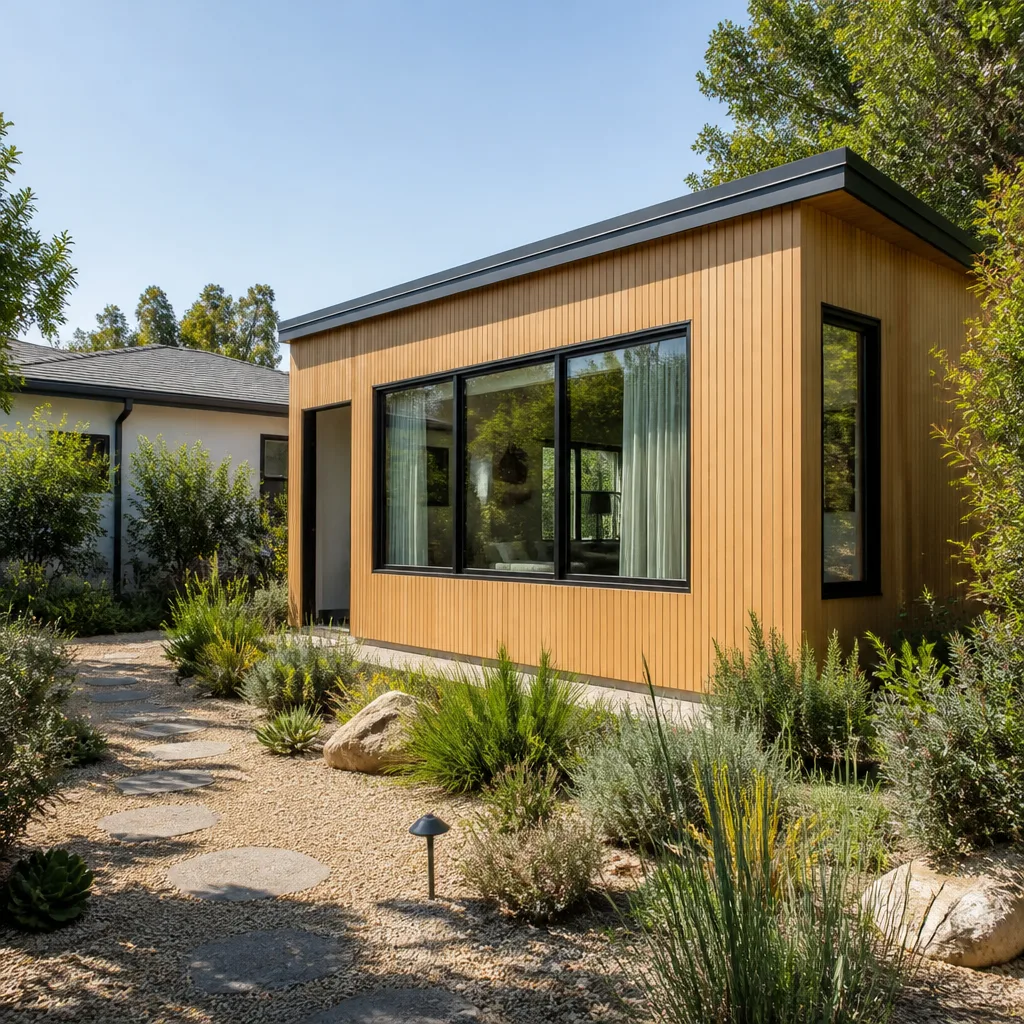
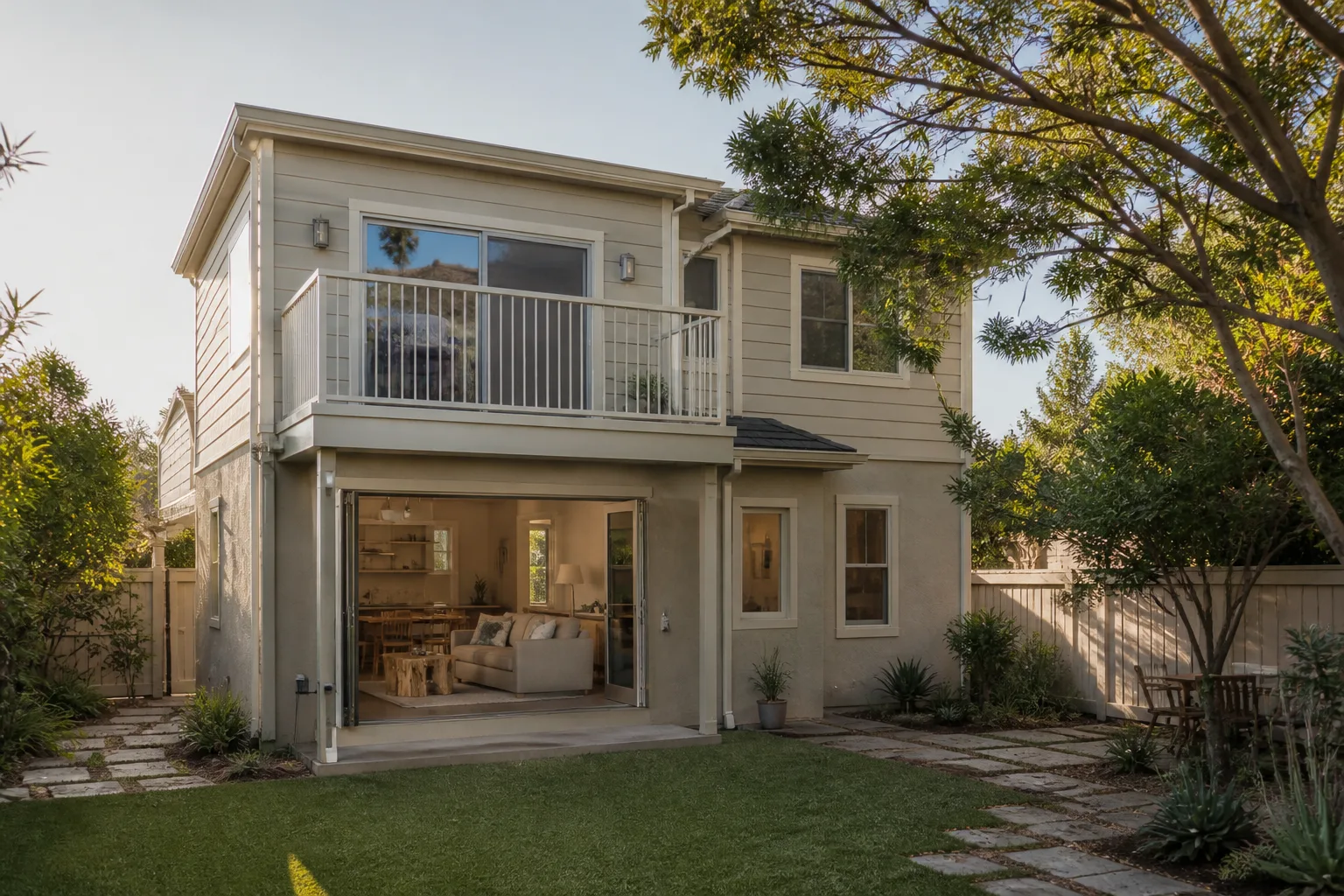
We’re Sutton ADU Houston, and we provide independent Cover ADU service across Houston, from the Heights to Montrose and out toward the beltway. We’re not factory-authorized by Cover, and we won’t pretend otherwise. What we are is deeply familiar with how Cover’s steel-framed modules perform in Houston’s humidity, clay soil, and floodplain rules. If you need a straight answer about your Cover unit, call (940) 242-3207.
We handle everything from Cover sales & service support to foundation remediation, moisture correction, and roof flashing repairs. The difference with us comes down to one thing: we’ve actually worked on these units in Houston’s specific conditions, so we know what fails here and what doesn’t. Let’s talk.
Why Houston Residents Choose Us for Cover Service
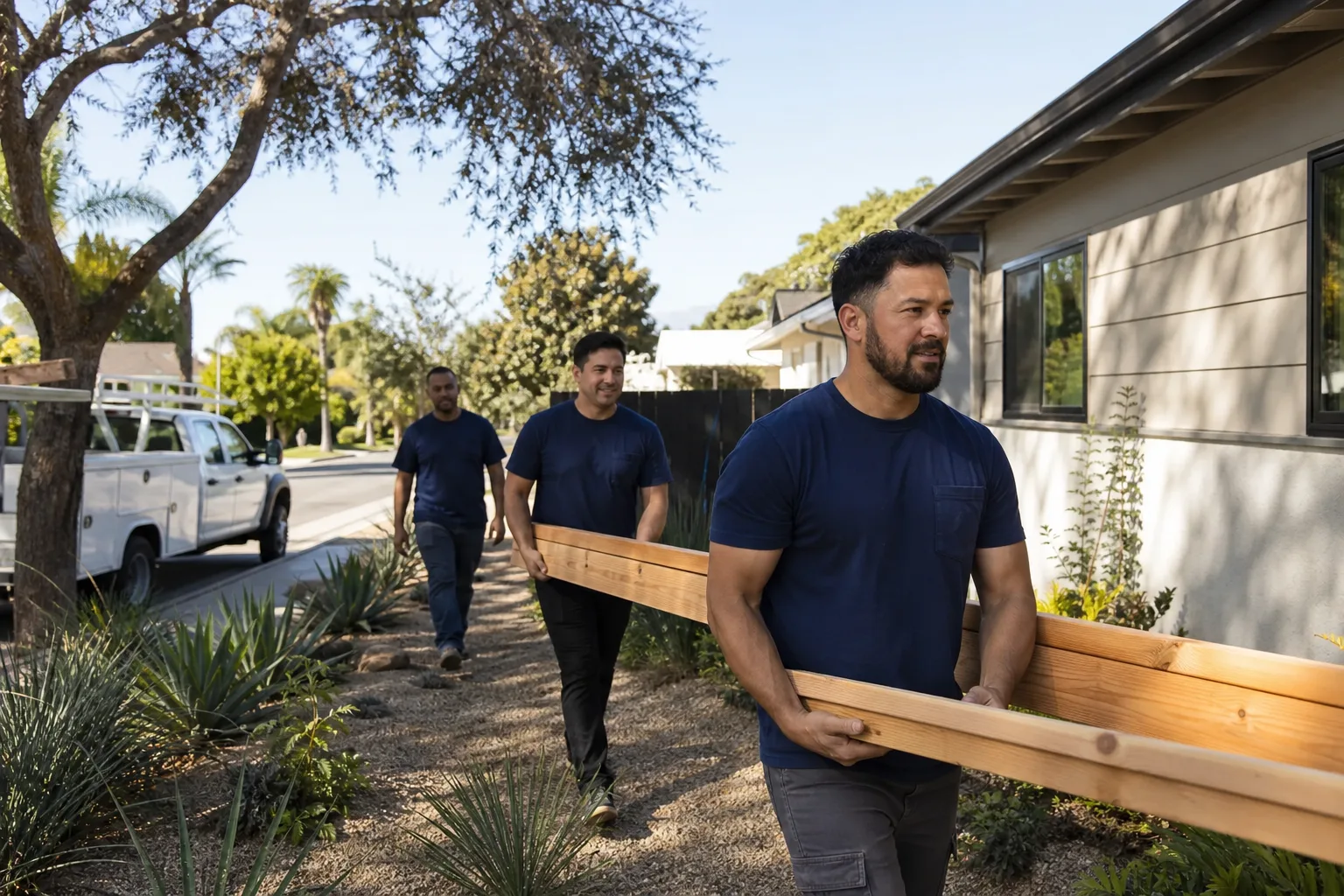
Cover builds a genuinely different product. The steel-framed modules, the precision factory tolerances, the clean interior envelope. It’s good engineering. But good engineering still has to live in the real world, and Houston’s real world is hot, wet, and built on clay that moves. We’ve spent several years servicing and installing Cover units throughout the Houston area, including projects in Montrose where slab foundations from the 1930s keep every builder honest. Miles Hartwell, our owner and a Home Addition Contractor - Houston professional, grew up in Los Angeles and learned residential construction at LA Trade-Tech before spending years working every stage of a build from the slab up. He’ll tell you the same thing he tells every Houston homeowner: the module is the easy part. It’s what’s underneath and around it that demands attention.
We spec Cover’s specified OEM components when they’re available. For common consumables, filters, thermostats, condensate pumps, we use high-quality aftermarket equivalents that match or exceed spec. And every visit starts with a written price before we touch anything. That’s the Threshold Standard, and it’s not negotiable.
Common Cover ADU Problems We Solve in Houston
- Condensation inside wall cavities. Houston’s humidity is relentless. Where the steel frame meets interior gypsum without a continuous vapor barrier, moisture collects inside the wall. We’ve pulled open panels in Heights units and found damp insulation that never should have gotten wet. The fix is usually re-detailing the vapor barrier and improving ventilation, not replacing the module.
- Differential settlement between module and foundation. Expansive clay soils are Houston’s quiet problem. The prefab module and the site-built foundation move at different rates, and you see it first as door misalignment, then finish cracking at corners. On slab-on-grade lots from the 1950s onward, this shows up within the first couple of wet-dry cycles. We address it at the foundation level, not by shaving doors.
- Roof flashing failures at the parapet or module joints. Houston’s heavy downpours find every seam. When flashing fails at the parapet or where modules join, water tracks to the ceiling perimeter and shows up as stains first, drips later. We re-flash and re-seal these joints with materials rated for our rain intensity, and we check them after the next big storm.
- Mini-split condensate line clogs from algae. This one is pure Houston. High humidity plus warm temperatures equals algae growth in undersized condensate lines. The lines clog, the unit overflows, and the drywall pays for it. We upgrade to larger-diameter drains and add service access so it doesn’t happen again.
- Floodplain compliance retrofits. Harris County floodplain rules often require elevating the module on piers or adding flood vents, especially on lots that were never flagged when the original house went in. A Cover unit that was fine on paper may need physical changes to meet current drainage requirements. We handle that too.
Cover Service in Houston: What Local Conditions Mean for Your Equipment
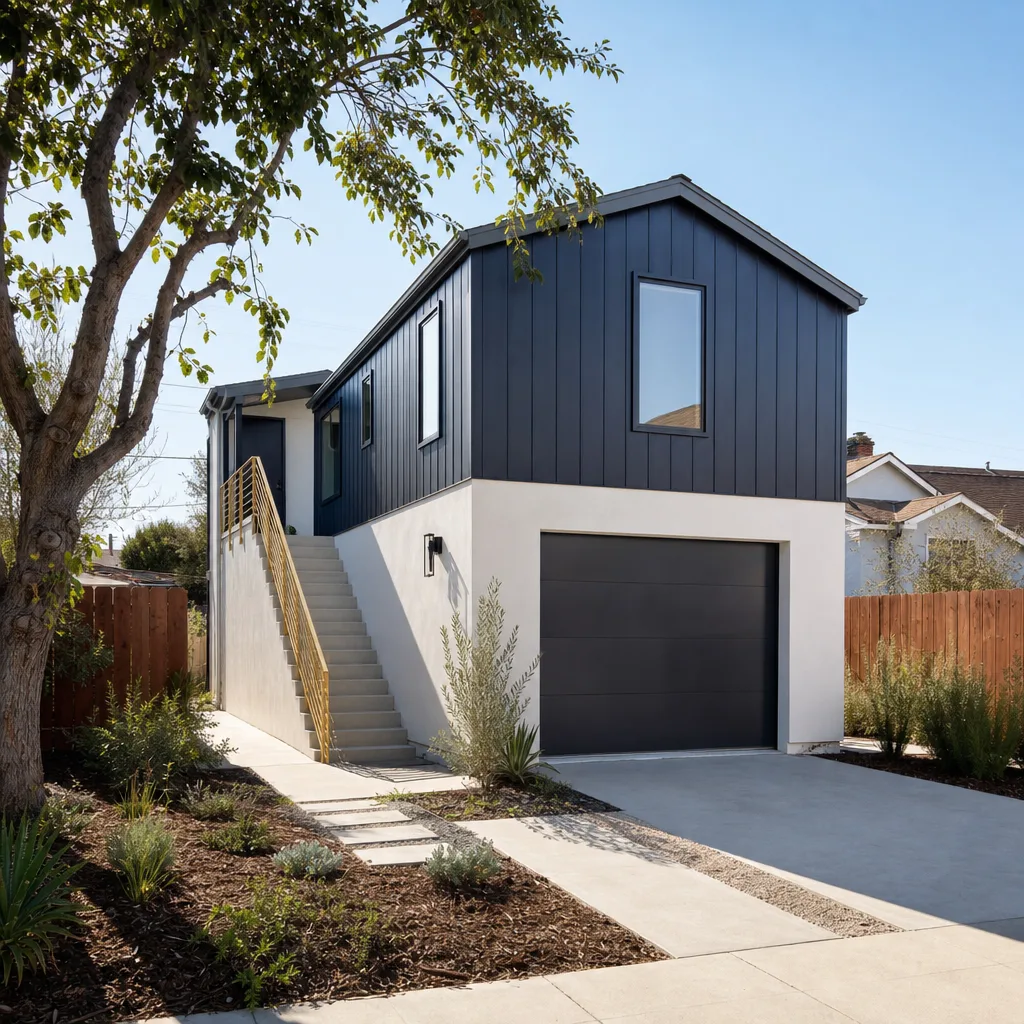
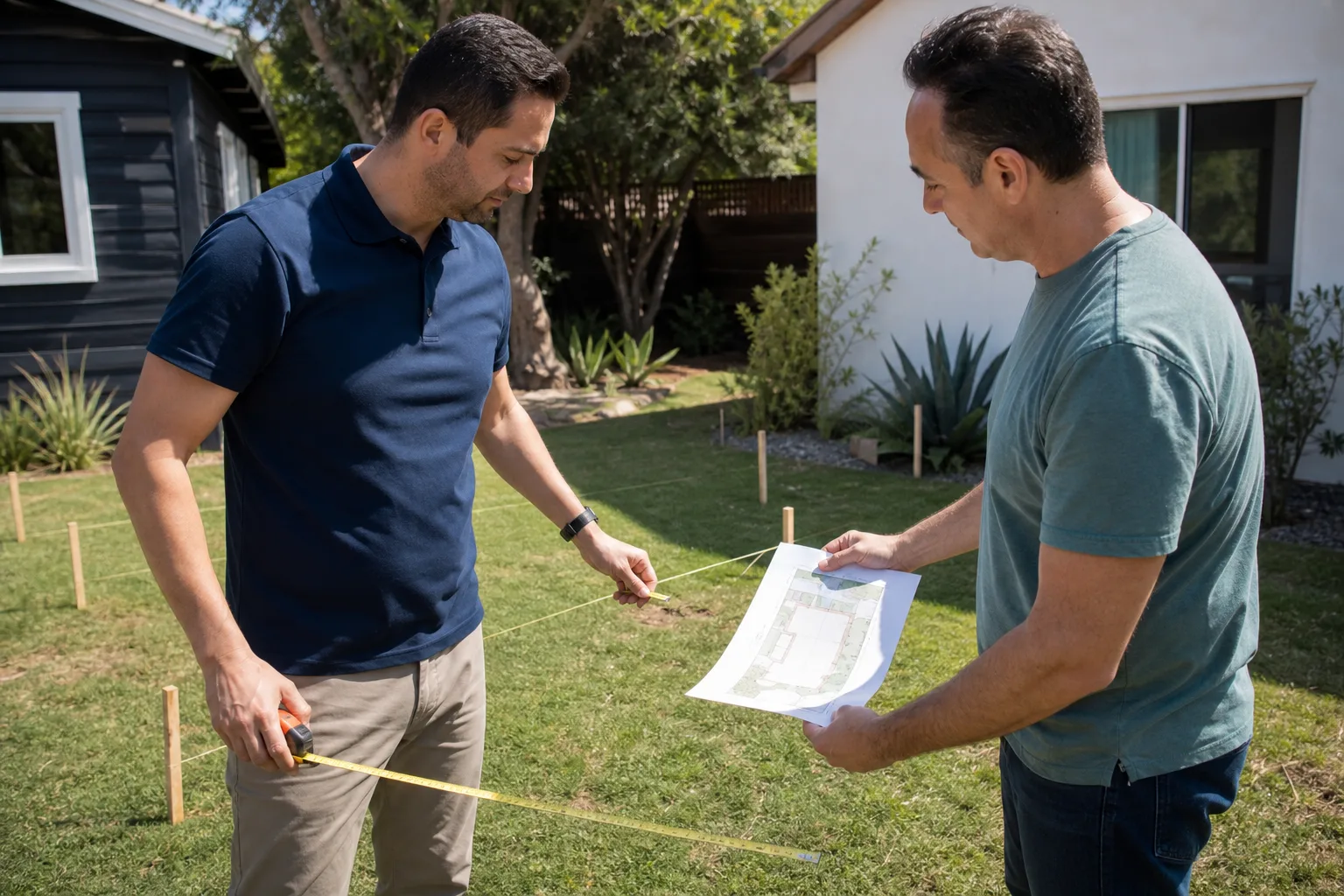
Houston’s lack of formal zoning is the thing that surprises people from other cities. There’s no zoning code telling you how close to the rear property line you can place a Cover ADU. Sounds freeing. But what actually governs the placement is a patchwork of private deed restrictions and Harris County floodplain rules, and those can be stricter than any zoning map. A Cover unit that could sit tight to the back fence in most Texas cities may have to be elevated on piers or fitted with flood vents here. That’s a real constraint, and it’s one that doesn’t apply the same way in drier suburbs like Sugar Land. If you’re planning a Cover ADU in Houston, you need Houston ADU Builders who can read your specific lot, your deed restrictions, and your floodplain designation before you order a module. We do site assessments that answer those questions in writing.
This page exists because a generic Cover manual won’t tell you any of that. A national ADU guide won’t either. What we’re sharing here comes from real installs in Montrose and the Heights, where we’ve made specific foundation, moisture, and floodplain fixes that Houston conditions demand.
Cover Models & Products We Service in Houston
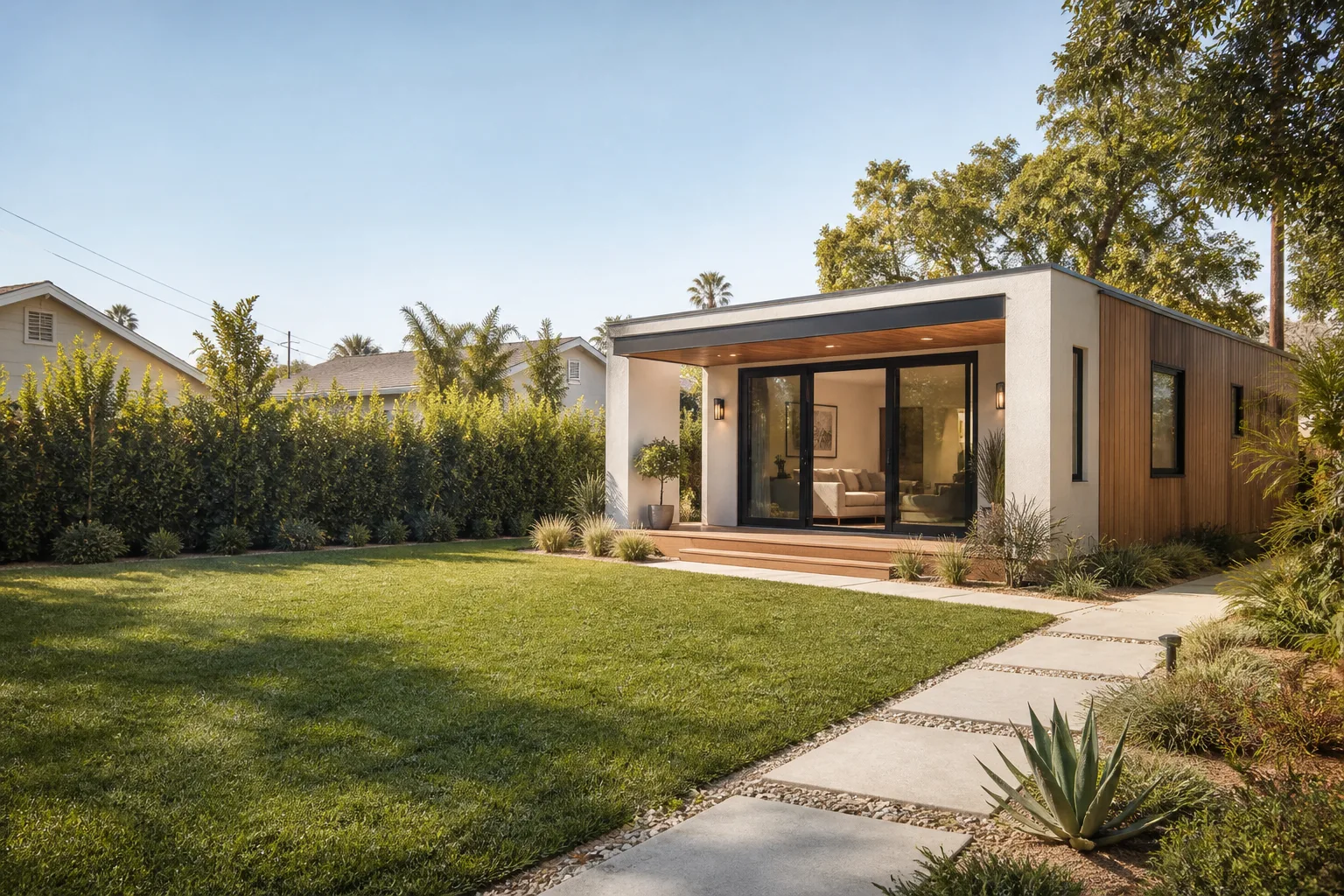
We service the full Cover line: the Cover Studio, the Cover One-Bedroom, the Cover Two-Bedroom, and the Cover Garage Conversion. Each model has its own details, and we know them.
For parts, our approach is practical. When Cover’s specified OEM components are available and make sense, we use them. For consumables, filters, thermostats, condensate pumps, we’ll spec a quality aftermarket part that meets or beats the original. We recommend repair over replacement whenever the steel module is still sound. But we’ll also tell you plainly when a corroded panel or a failed weld makes panel replacement the more cost-effective call. Honesty about that line is part of how we work.
Cover Service Pricing in Houston

What does Cover service cost in Houston? It depends on what we find, but here’s a realistic frame. A site assessment with written findings and a scope of work typically runs $250-$500. Moisture remediation inside wall cavities, depending on how many panels come off and what’s behind them, usually lands between $1,500 and $4,500. Foundation correction for differential settlement, including helical piers where needed, starts around $6,000 and can reach $20,000 on difficult clay sites. Roof flashing repair at parapet or module joints generally falls between $800 and $2,500. Mini-split condensate line upgrades usually run $300-$700.
Every estimate we give is a written, line-item price before any work starts. No allowances, no hourly billing on the back end. Call (940) 242-3207 and we’ll schedule the free estimate. You’ll know the number before you commit.
Serving Houston, TX - Our Local Coverage Area
We’re based in the Houston area and know this community well. Use the map below to see our service coverage - if you’re nearby, we can almost certainly help.
FAQs – Cover ADU in Houston
Yes, in most cases it does. Houston’s expansive clay soils move through wet-dry cycles, and a standard shallow foundation will move with them. A Cover module needs either a properly engineered slab with deep footings or, more commonly on older lots, pier support that reaches stable soil or bedrock. In Montrose we’ve seen 1930s garage slabs with only 4-inch footings that were cracked along the clay heave line. That’s not a base for a steel module. Call (940) 242-3207 and we’ll tell you what your specific lot needs.
Condensation inside a Cover ADU in Houston almost always means the vapor barrier between the steel frame and the interior gypsum is incomplete or has failed. Houston’s summer humidity pushes moisture into the wall cavity, and when it hits the cooler interior surface, it condenses. The fix involves opening the affected panels, re-detailing the barrier, and often improving mechanical ventilation. It’s a repair we do regularly here. Call (940) 242-3207 to schedule an inspection.
Sometimes, but not always. Many Heights garages date from the 1920s through 1940s and were built with undersized footings and wood framing that doesn’t meet current wind load or energy codes. Before a Cover module can go on top, the existing structure has to be evaluated and usually reinforced. Narrow lot configurations and live oak canopies add placement challenges. We’ll assess it and give you a straight answer. Call (940) 242-3207 for that assessment.
The flashing at the parapet or module-to-module joint has failed, and water is getting in at the ceiling perimeter. In Houston’s rain intensity, this won’t self-correct. The fix is re-flashing and re-sealing with materials rated for our storm loads, then checking the repair during the next significant rain. We do this work, and we stand behind it with the 365-Day Done Right Promise. If a repair fails within a year, we make it right. Call (940) 242-3207.
If your lot sits in a Harris County floodplain or in a flood-prone area with deed restrictions requiring them, yes. Flood vents allow water to pass through the foundation area rather than pressing against the structure during a flood event. For a Cover unit on piers, this is often a code requirement. A site assessment will tell you definitively. Call (940) 242-3207 and we’ll figure out your floodplain status before you spend money on the wrong fix.
Service Areas Near Houston
We serve the full Houston service area, plus the communities around it. That includes Cover service in The Woodlands to the north, Cover service in Pearland to the south, and homes in Humble, League City, and Atascocita. If you’re within an hour of the Beltway, we can likely help.
Book Your Cover Service in Houston Today
If your Cover ADU needs attention, call (940) 242-3207. We’ll schedule a site visit, give you a written price, and send you the name and photo of the technician before they arrive. That’s how we work, on every project, no exceptions.
Written by Miles Hartwell, Owner at Sutton ADU Houston, serving Houston since 2006.