Tuff Shed ADU Design & Permitting: The Houston Owner’s Guide
If you’re holding a Tuff Shed structure and wondering whether it can legally become a livable ADU in Houston, the short answer is yes, with conditions. Sutton ADU Houston handles Tuff Shed-to-ADU conversions across the city, and most design and permitting packages run between $8,500 and $18,000 depending on your lot, your shed’s foundation, and what the Houston Permitting Center requires for your specific address. The process typically takes 8 to 14 weeks from first site visit to an approved permit set.
Most homeowners don’t realize their permitting problem until they call the city to ask a simple question about setbacks or electrical, and the person on the other end mentions that sheds converted to living space in Houston need a whole different permit class than a storage shed does. That’s when the real project starts. We’ve had homeowners show up at our office in Montrose with a perfectly good Tuff Shed in the backyard and a letter from the city saying they need engineered drawings, a foundation plan, and plumbing calculations before anyone can touch a single wall.
Which Tuff Shed Models This Applies To
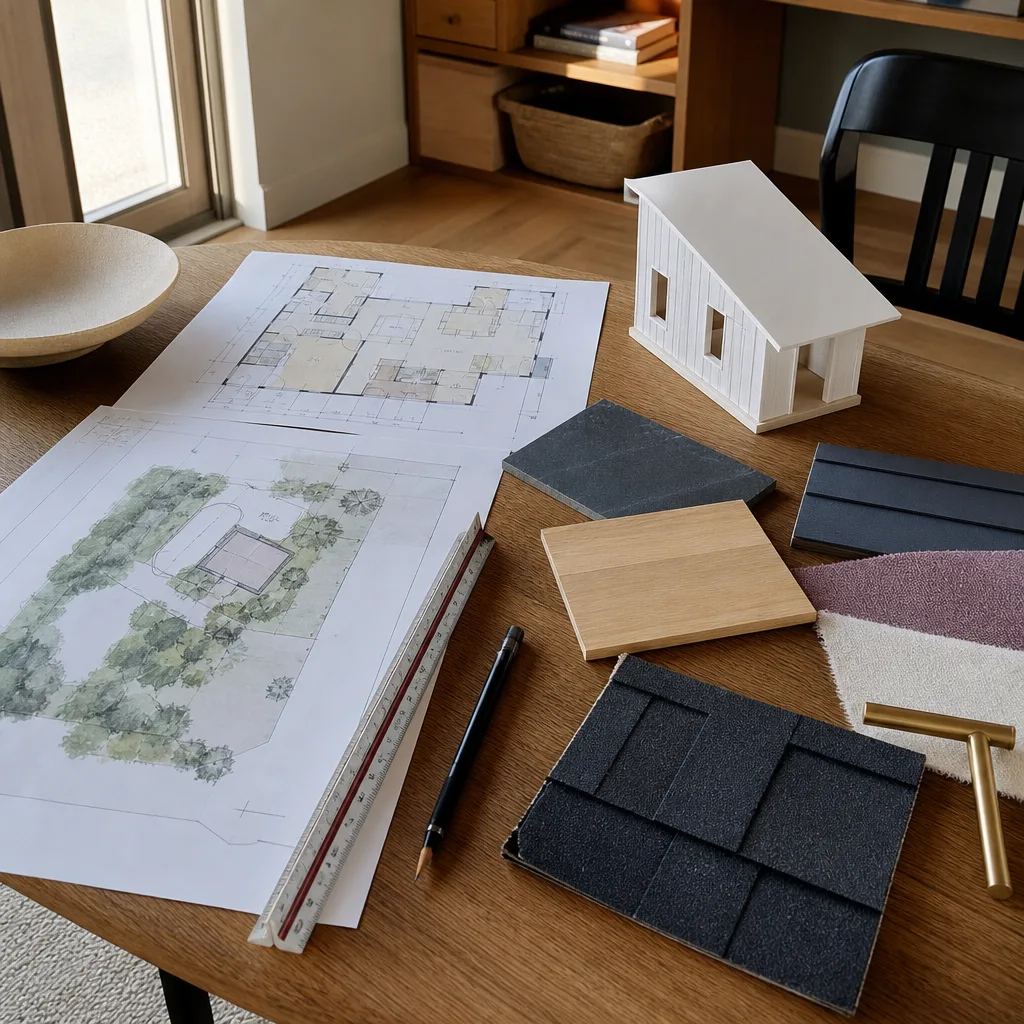
We work with Tuff Shed’s Premier Series, Pro Series, and the larger Ranch and Sierra models, along with custom sheds built on Tuff Shed’s skid foundation system. The model matters less than what’s inside the walls. Houston’s building code treats any structure that gets insulation, drywall, electrical wiring, and plumbing as a dwelling unit, regardless of what the manufacturer called it when it left the factory. Your Tuff Shed’s original engineering applies to storage loads. An ADU conversion adds live load, wind load considerations, and mechanical systems the original design never anticipated.
Here’s the compatibility gotcha most owners miss: Tuff Shed’s standard 6×6 or 8×8 skid foundation is not a permitted foundation for an ADU in Houston. The city wants a permanent foundation, typically a concrete slab or pier-and-beam system meeting Harris County frost depth and soil bearing requirements. We handled a conversion in the Heights where the homeowner had a beautiful 12×16 Premier Ranch with a loft, and it still needed a new engineered slab because the existing skids sat directly on Houston’s expansive clay. The structure itself was fine. The connection to the ground was the problem.
When it comes to parts and components, we match OEM Tuff Shed hardware where it matters (roof panel clips, wall stud brackets, hurricane ties) and use quality aftermarket equivalents for interior finishes like drywall corner bead, outlet boxes, and door hardware. There’s no reason to pay a premium for a Tuff Shed-branded light switch. But we will not substitute generic roofing fasteners on a Tuff Shed roof system designed for specific wind uplift ratings, especially in a city that sees hurricane remnants.
Signs Your Tuff Shed ADU Design & Permitting Is Failing
Permitting issues usually show up before construction fails, and they show up predictably. Here’s what we see across Houston:
- Your permit application was marked “incomplete” for missing structural calculations. This happens constantly. The city wants stamped engineering drawings showing the existing Tuff Shed frame can handle the added weight of drywall, insulation, and a mini-split. The original Tuff Shed specs don’t include those loads, so someone has to calculate them.
- Setback violations surface months after you thought you were compliant. Houston’s setback rules for ADUs vary by neighborhood, and a shed built legally years ago under storage-shed rules may now sit too close to the property line for habitable space. We saw this in Garden Oaks where a homeowner’s shed passed inspection in 2019 and failed ADU review in 2025 because the rules changed.
- Your electrician won’t pull permits for the wiring. This is the canary in the coal mine. If your electrical contractor hesitates, it’s usually because the structure hasn’t been classified as a dwelling unit yet, and wiring it as one puts their license at risk. That’s a design and permitting failure, not a wiring failure.
- Moisture is appearing around the base plate or lower wall studs. A shed built to sit on skids lets moisture move underneath. Once it’s converted and enclosed, that moisture gets trapped and starts eating the sill plates. A proper ADU design includes a moisture barrier and ventilation strategy the original shed never had.
- The city sent a notice about unpermitted work. This one is self-explanatory, but it matters because Houston code enforcement has been cracking down on garage and shed conversions in several neighborhoods, including Montrose and the East End. Once the notice arrives, your timeline changes from “someday” to “now.”
Replacement Cost & What’s Included
Here’s the pricing reality for Tuff Shed ADU design and permitting in Houston. A full design-and-permit package, meaning architectural drawings, structural engineering, energy calculations (Houston is hot, and your cooling load matters), and all city submittals, typically runs $8,500 to $14,000 for a shed conversion under 400 square feet. Larger conversions, custom lofts, or lots with drainage complications push closer to $18,000. Site work like the new foundation, utility connections, and interior buildout are separate, and we’ll tell you exactly what those numbers look like before you commit to anything.
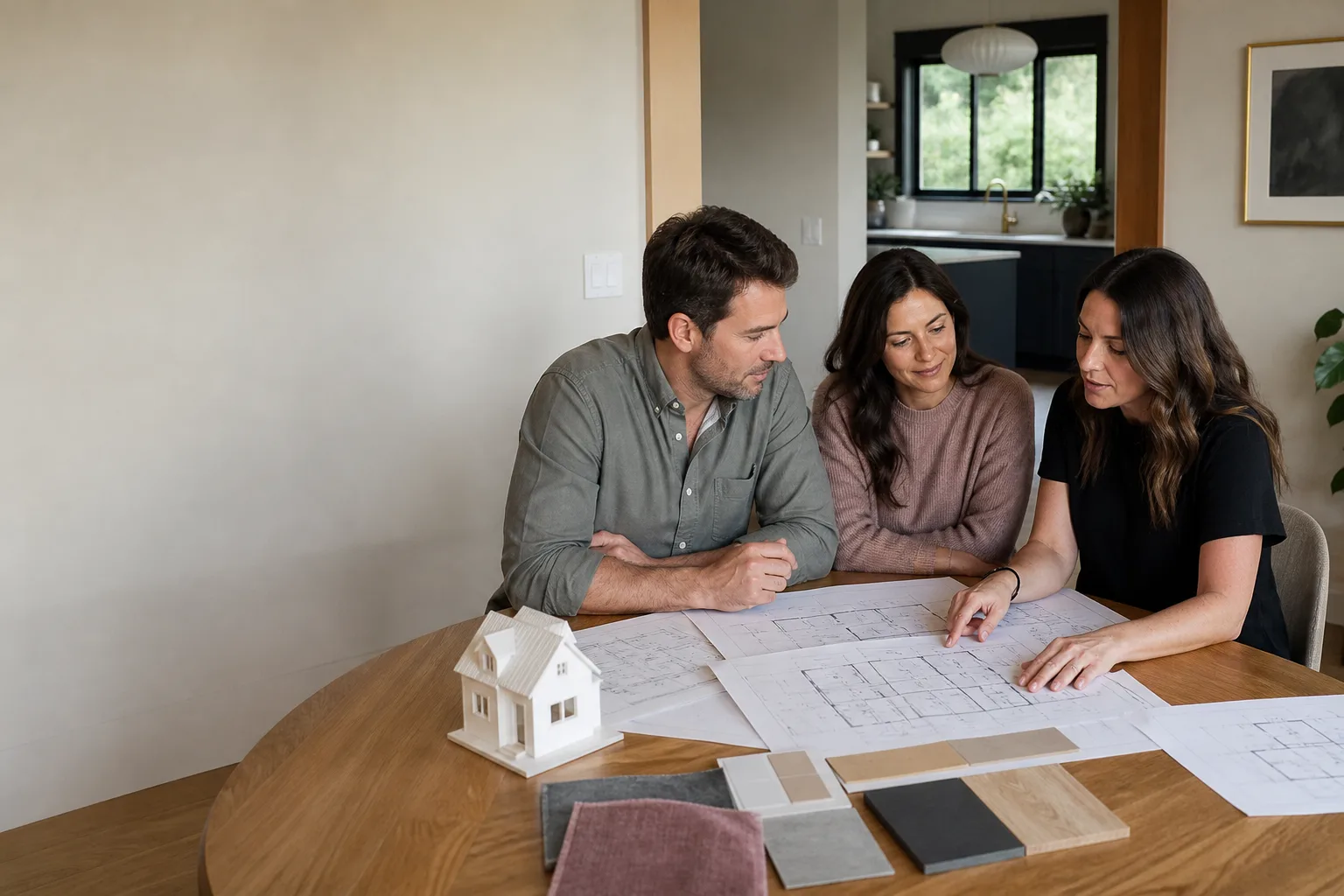
What you’re paying for: a written price before we start, a permit set stamped by a licensed Texas engineer, coordination with the Houston Permitting Center, and a builder who has done this specific conversion before. The 365-Day Done Right Promise covers our workmanship on the design and any construction we perform for a full calendar year after completion. If something in the design fails inspection or a detail we drew doesn’t work in the field, we make it right. No haggling.
One thing I’ll say plainly, because Miles Hartwell would tell you the same thing standing in your backyard: if someone quotes you $3,000 for a full Tuff Shed ADU permit package in Houston, that number is too low to be real. It means they’re skipping engineering, skipping energy calculations, or both, and the city will reject it. You’ll pay twice.
DIY or Call Us?
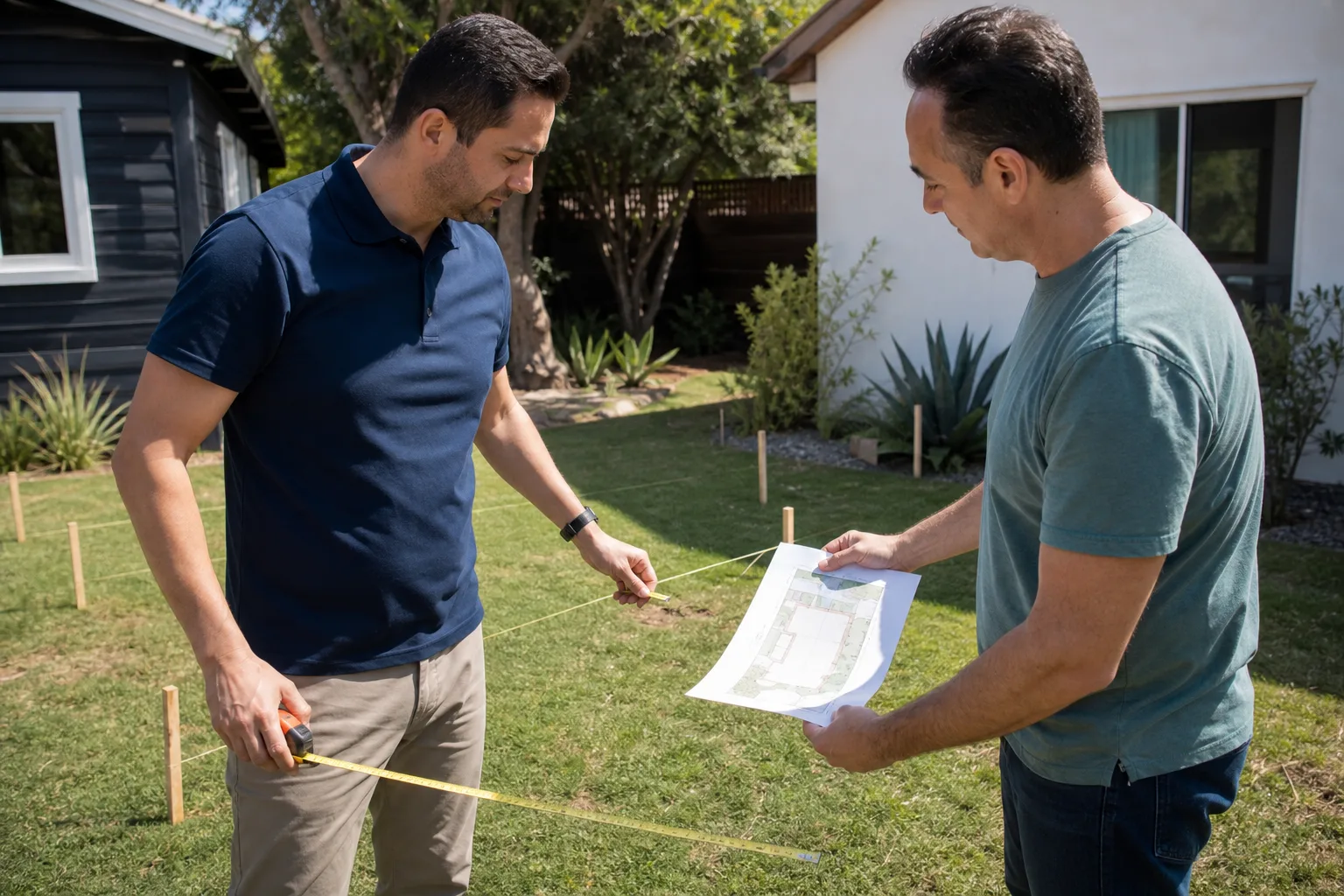
You can absolutely handle some of this yourself. Measuring your shed, photographing the existing condition, pulling your deed restrictions from the county clerk, and checking your neighborhood’s setback requirements are all things a capable homeowner can do before calling anyone. That prep work genuinely helps.
What you should not do yourself is the structural engineering. Houston’s expansive clay soil, wind load requirements, and the specific demands of converting a shed designed for storage into a living space are not DIY territory. A miscalculated beam or an undersized foundation gets caught in review anyway, and if it doesn’t get caught, it becomes a problem you live with. If you want the honest version of what your shed needs, call (940) 242-3207 and we’ll walk the property with you.
FAQs
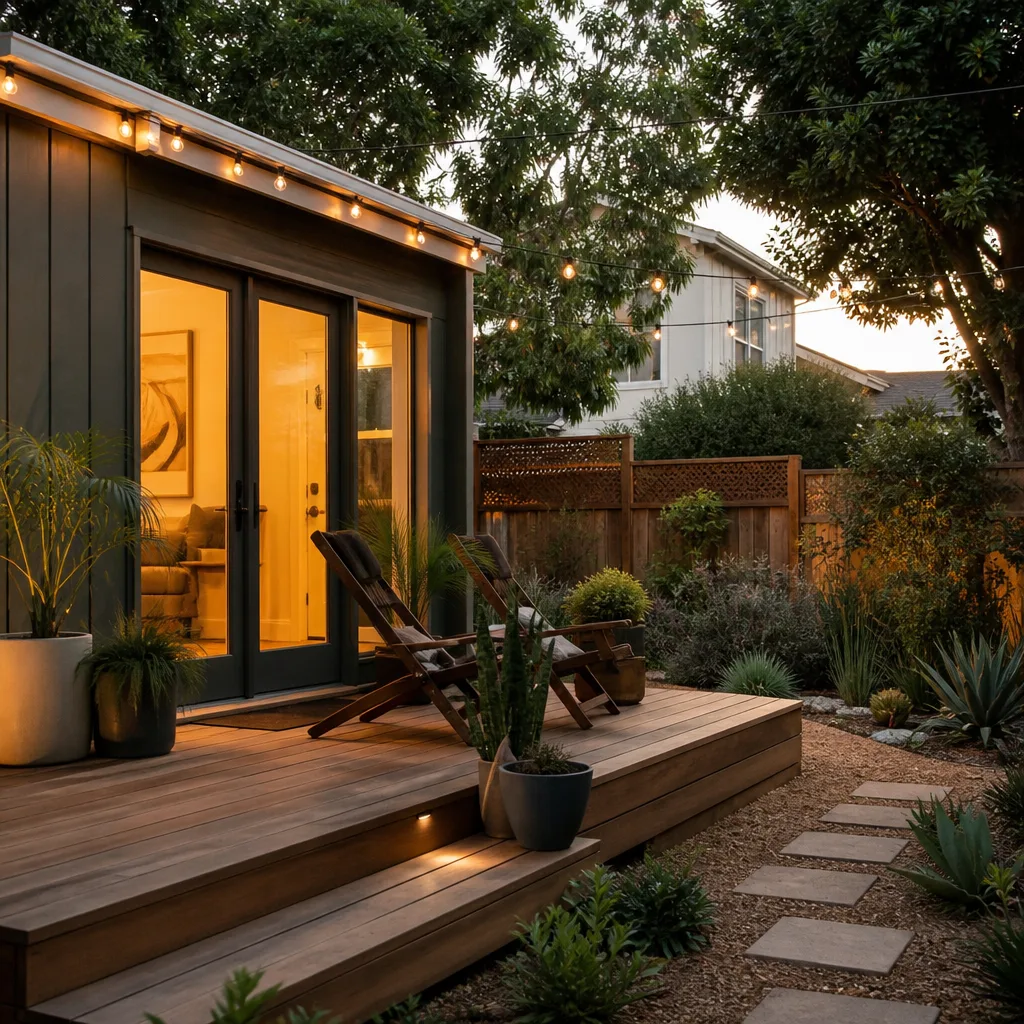
Most Tuff Shed ADU conversions in Houston take between 8 and 14 weeks from our first site visit to an approved permit set, assuming the shed is structurally sound and the lot doesn’t have drainage or setback complications. The Houston Permitting Center’s current review times account for most of that range.
No. Houston requires a permanent foundation for any structure classified as a dwelling unit, and Tuff Shed’s standard skid foundation does not qualify. You’ll need either a concrete slab or a pier-and-beam foundation designed for the soil conditions on your specific lot. Call (940) 242-3207 and we’ll tell you what your property needs.
Usually, yes, but not by as much as people hope. You save on framing and shell construction, but you still pay for foundation work, insulation, drywall, electrical, plumbing, HVAC, and the same permitting process. A typical Tuff Shed conversion in Houston lands around $120,000 to $190,000 all-in, while a new stick-built ADU of the same size runs $180,000 to $260,000.
We stock the common conversion components on our trucks: hurricane ties, sill plate anchors, moisture barrier materials, outlet boxes, and the fasteners specific to Tuff Shed roof systems. Anything unusual we order from our Houston suppliers, usually within two to three days. We are an independent contractor and not affiliated with Tuff Shed, but we know their systems well.
Written by Miles Hartwell, Owner, Sutton ADU Houston at Sutton ADU Houston, serving Houston and nearby areas.