Plant Prefab ADU Builders in Houston: What to Know First
Plant Prefab ADU builders in Houston handle everything from site prep and foundation work to final utility hookups and finish detailing on your factory-built unit. As an independent Plant Prefab service provider, Sutton ADU Houston typically completes a full ADU installation in 8 to 14 weeks once permits clear, and we give you a written price before any work starts, so you know exactly what the build costs before we lift a single tool. If you own a Plant Prefab unit, or you’re considering one for your Houston lot, call (940) 242-3207 and we’ll walk you through what your specific site actually needs.
This page is for homeowners who already own a Plant Prefab structure and need a builder to get it set, connected, and finished right, or who are weighing Plant Prefab against other prefab lines and want straight answers from a crew that works with these units regularly. We also handle Abodu, Cover, and Dvele installations, so you get honest guidance on how Plant Prefab compares to the alternatives, not a sales pitch for one brand.
How Plant Prefab Products Fail, and How We Fix Them
Plant Prefab builds solid units, but every prefab line has its weak points once it meets Houston’s climate and our particular soil conditions. Here’s what we see most often on Plant Prefab jobs across the Houston area:
- Panel seam separation on Plant Prefab’s LivingHome series. Factory-built wall panels are joined at the seams during assembly, and Houston’s humidity plus our clay soil movement can cause those seams to open slightly over the first two years. You’ll see hairline cracks at interior drywall joints or feel a slight draft near window corners. We open the affected seam, inspect the underlying connection, and re-fasten using the correct structural hardware before re-taping and refinishing. Just caulking over it hides the problem; it doesn’t fix the movement.
- Underslab moisture intrusion on Plant Prefab’s smaller YB-series units. These compact units ship with pre-plumbed mechanical cores, which is efficient, but the connection points where your Houston slab plumbing meets the factory piping are the most common leak source we see. The factory uses compression fittings rated for standard conditions; Houston’s ground moisture and shifting clay put extra stress on those joints. We replace factory compression connections with threaded or solvent-welded fittings suited to local soil movement, then pressure-test the entire line before closing the wall.
- HVAC duct imbalance after transport. Plant Prefab assembles units at their Rialto facility and trucks them to your site. That cross-country haul, plus the crane lift onto your foundation, can knock rigid duct connections loose or misalign registers. You’ll notice one room runs noticeably warmer than another, or you’ll hear a faint rattle near the mechanical closet when the system cycles. We re-balance the entire duct run, re-seal every joint with mastic (not tape, which fails in Houston attic heat), and verify airflow at every register with a meter, not a wet hand.
- Exterior cladding gaps at module mating lines. Multi-module Plant Prefab homes have visible seams where sections join, and the factory weather barrier relies on a continuous seal at those lines. Houston’s heavy rain seasons test that seal hard. If you see water staining on interior ceilings near a module line, or peeling paint on an exterior wall where modules meet, the factory weather barrier likely has a gap. We pull the affected cladding, re-flash the joint properly, re-apply the weather barrier with proper overlap, and replace the cladding to match. This is warranty-sensitive work, and we document every step with photos so you have a record if you file a claim.
- Foundation anchor point wear on Plant Prefab’s custom-designed units. Plant Prefab engineers each unit for specific seismic and wind loads, but Houston’s expansive clay expands and contracts enough to work anchor bolts loose over several wet-dry cycles. You won’t see this from outside; you’ll notice doors that stick seasonally or small cracks at wall-to-ceiling intersections. We inspect torque on every anchor point, replace any bolts showing stress, and in some cases recommend adding supplemental anchors if the original spec didn’t account for local soil movement. Most foundation crews in Houston never check this after the initial set.
Our Plant Prefab ADU Builders Process
Here’s what a Plant Prefab installation looks like when you work with us. This applies whether you already have a unit on order or you’re still deciding and want a builder involved before you sign a factory contract.
- 1
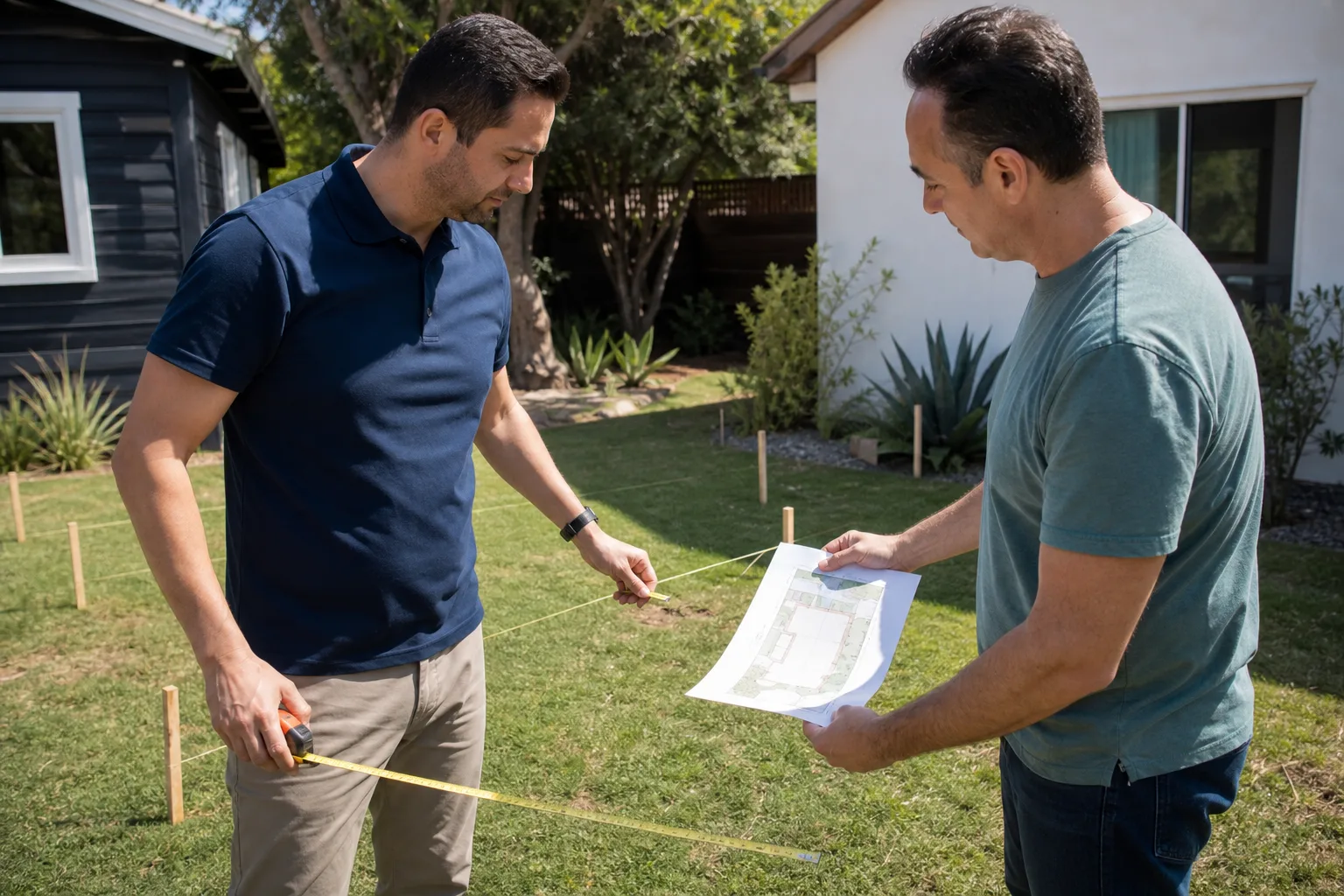
Site walk and feasibility check. We visit your Houston lot, measure setbacks (the required gap between your new structure and the property line), check access for delivery trucks and crane placement, and look at your existing utility connection points. You get a written site assessment with real numbers, not a verbal “should be fine.”
- 2
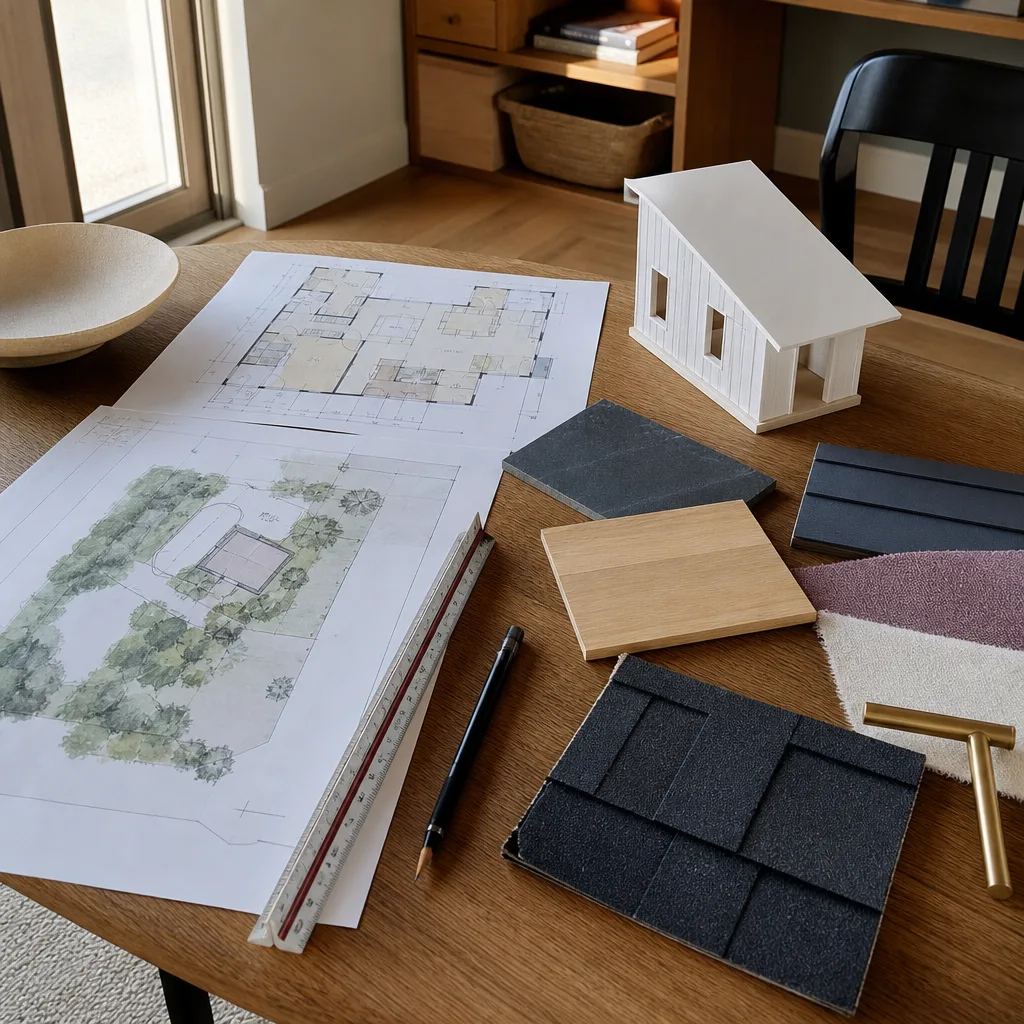
Foundation and utility plan. We design the slab or pier foundation to match your Plant Prefab unit’s specific anchor pattern and point loads. Houston clay requires either a properly engineered slab with deeper perimeter beams or piers that account for expansion. We pull permits and schedule inspections.
- 3
Site prep and foundation pour. Our crews handle grading, formwork, rebar, and the pour, with compaction testing on the soil before any concrete goes down. We don’t pour on uncompacted Houston clay and hope for the best.
- 4
Delivery coordination and unit set. We work directly with Plant Prefab’s delivery partner on crane scheduling, traffic control, and the actual set. This is the day most things go sideways on prefab projects; we’ve done enough of them to know what to check before the crane leaves your property.
- 5
Utility connections and finish work. We connect water, sewer, electrical, and gas (if applicable), then handle interior finish items like trim, flooring transitions at module lines, paint touch-ups, and any drywall work needed after transport.
- 6
Final inspection and your 365-Day Done Right Promise. We walk the entire unit with you, test every system, and hand you a written punch list with zero open items. Your 365-Day Done Right Promise starts that day. If anything fails within a full calendar year, we come back and make it right, free.
The permit process in Houston typically takes 4 to 8 weeks for a detached ADU, depending on whether your lot has any floodplain or historic district overlays. Tell me what you actually need the space to do, and we’ll figure out the rest from there.
What Plant Prefab ADU Builders Cost in Houston

Most Plant Prefab ADU installations in Houston land between $45,000 and $95,000 for our scope of work, which covers site prep, foundation, utility connections, unit set coordination, and all finish work. That’s on top of the factory price you pay Plant Prefab for the unit itself. A small YB-series studio on a simple, flat lot with easy utility access runs toward the lower end. A multi-module LivingHome with a custom foundation, long utility runs, and crane work on a tight Montrose lot runs toward the higher end.
What moves the price: your soil conditions (compaction testing tells us what we’re working with), utility connection distances, crane access, and whether you want us to handle the full finish package or just get the unit set and connected. Every project gets a written line-item price before work starts. No change orders appear later unless you ask for something new. Call (940) 242-3207 for a free estimate on your specific site.
Why Houston Homeowners Call Sutton ADU Houston for Plant Prefab Work
Most builders in Houston can pour a slab and frame a wall. Fewer have actually set a Plant Prefab unit, diagnosed a module-line seal failure, or re-balanced HVAC ductwork after a cross-country haul. We’ve done that work, and we know which factory specs need adjusting for Houston’s climate and soil. That knowledge means fewer surprises after the crane leaves.
Every technician who steps onto your property is background-checked and identity-verified under our Threshold Verified standard. You get their name and photo before they arrive. They show a photo ID badge at your door every time. That’s the Threshold Standard, and it’s a written system, not a handshake. Your price is also written before work begins, and your 365-Day Done Right Promise is stamped on every project. If it isn’t right within a year, we make it right. No haggling, no second-guessing.
If you’re still deciding between Plant Prefab and another line, we install Abodu, Cover, and Dvele units too. We’ll tell you honestly where each brand fits your lot, your budget, and what you actually need the space to do.
FAQs
No. Sutton ADU Houston is an independent Plant Prefab service provider, not a factory-authorized installer, but our work does not void your factory warranty as long as we follow the manufacturer’s installation specifications. We document every step of the installation with photos and written records, which actually helps you if you ever file a warranty claim. It’s worth confirming with Plant Prefab directly what your specific warranty covers, but in practice, most warranty-voiding issues come from improper connection work, not from hiring an independent builder who does the job to spec.
Most Plant Prefab ADU installations take 8 to 14 weeks from the day we start site work to the day you get your final inspection sign-off. The biggest variable is Houston’s permit process, which can add 4 to 8 weeks before we can even break ground, depending on your lot’s floodplain status and whether you’re in a historic district. The actual construction moves faster than stick-built, but nobody can honestly promise a two-week turnaround on a permitted ADU in Houston.
Yes. We regularly step in on Plant Prefab ADUs that were set by a general contractor who didn’t know the brand’s specifics. Common repairs include module-line sealing, anchor bolt re-torquing, HVAC re-balancing, and slab-to-factory plumbing connection fixes. We’ll assess what’s there, give you a written price for the corrections, and explain which issues are cosmetic versus structural. Call (940) 242-3207 if you’re not sure what you’re looking at, and we’ll schedule a site visit.
Most module-line seal repairs on Plant Prefab units run $1,200 to $4,500 depending on how many seams are affected, whether interior drywall needs replacement, and how much exterior cladding has to come off. A single small leak caught early is usually at the lower end. A multi-module home with water staining across several rooms and compromised insulation runs higher. We give you a written price after we open the affected area and see what’s actually happening, not a guess from a photo. Estimates are free; call (940) 242-3207.
Yes, we pull all required permits for ADU construction, foundation work, electrical, plumbing, and mechanical connections. Permits are non-negotiable on these projects. An unpermitted ADU creates problems when you sell the home, when you file insurance claims, and potentially when the city discovers it. We handle the full permit process, coordinate inspections, and make sure every inspection passes before we call the job done.
Plant Prefab units are engineered homes built to residential code, with real insulation, proper electrical and plumbing systems, and finishes you’d find in a standard house. Tuff Shed structures are storage buildings that require significant conversion work, often including structural upgrades, complete electrical rough-in, insulation, and sometimes foundation work, to function as living space. A Plant Prefab ADU typically costs more upfront but is usually ready to occupy much sooner and holds value better. We work with both, so we can walk you through the honest cost difference for your specific lot. Call (940) 242-3207 and we’ll give you real numbers either way.
Written by Miles Hartwell, Owner, Sutton ADU Houston at Sutton ADU Houston, serving Houston and nearby areas.