Dvele Site Prep & Utilities: The Houston Owner’s Guide
Dvele site prep and utility connection work in Houston typically runs $18,000 – $45,000 depending on lot conditions, soil stability, and how far your utility taps sit from the foundation. We stock and install Dvele-compatible site prep components and can usually have a crew on your lot within three to five business days to assess what failed. Most Houston owners discover a site prep problem the hard way: a foundation survey comes back with clay soil movement readings that fall outside Dvele’s tolerance, or a utility stub was set at the wrong depth during the original excavation and now the connection won’t pass inspection.
Here’s the reality we see across Houston neighborhoods: the Dvele panelized system is precise, but the ground under it rarely cooperates without help. Our crew has corrected site prep failures in Montrose, the Heights, Bellaire, and Katy, and the pattern is almost always the same. The original site contractor cut a corner on soil compaction or drainage, and the problem shows up a year or two later as a door that sticks, a crack in the slab perimeter, or a utility trench that settled and pinched a line.
Which Dvele Models This Applies To
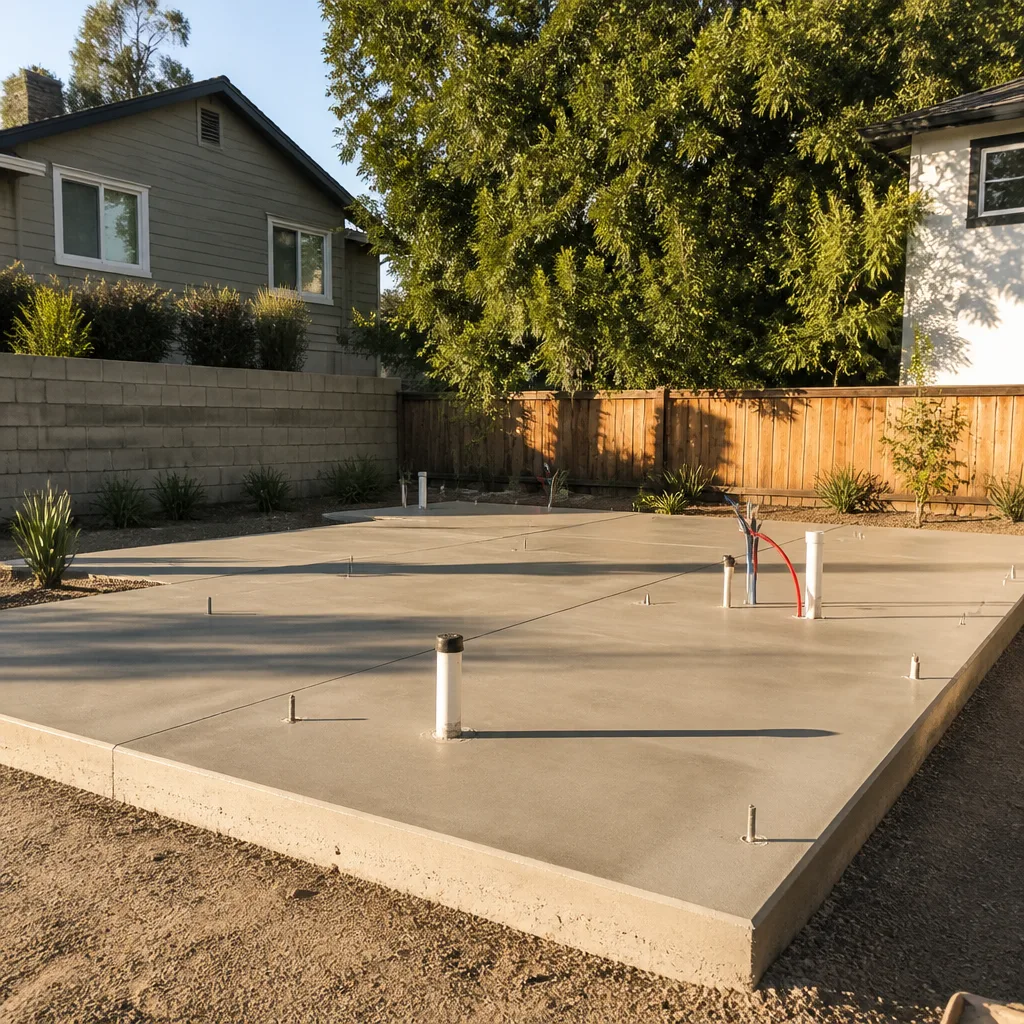
Dvele’s current product families are the IQ series, the Dvele line of panelized single-family homes, and their ADU configurations. Site prep and utility requirements are model-specific: the IQ homes and larger Dvele models demand a deeper frost-protected foundation system with stricter tolerances than the smaller ADU units. The utility rough-in locations are not universal across models. An IQ 2400 and an IQ 1200 have different electrical service entrance points, different sewer lateral locations, and different water line stub heights. Getting this wrong means the Dvele factory-installed connection points don’t line up with what’s in the ground, and you’re paying for a re-set.
The quickest way to identify what your lot needs is to look at the approved site plan Dvele issued at order time. Every Dvele project ships with a utility coordination drawing that lists the exact electrical service amperage, sewer invert depth, and water service size. If you don’t have that drawing, call us and we’ll help you pull it from Dvele’s homeowner portal. The mistake we see most often: a homeowner or a general contractor assumes a standard 200-amp service is fine, then discovers the Dvele spec calls for a 320-amp or 400-amp meter base and the underground feeder to match. That’s a $6,000 difference you don’t want to discover at inspection.
Signs Your Dvele Site Prep & Utilities Is Failing
- Doors and windows that bind or stick after the first wet season. Houston’s clay soil expands dramatically when wet and shrinks when dry. If your Dvele slab wasn’t built on properly compacted fill or lacks adequate drainage, the whole structure moves enough to throw panel alignment off. This is a foundation prep failure, not a Dvele manufacturing defect.
- Water pooling against the foundation after rain. Your lot grading was supposed to slope away from the slab at a minimum of 5% for the first ten feet. When the grade flattens out or reverses, water sits against the Dvele perimeter and starts working its way under the frost wall. We see this constantly in older Houston neighborhoods where lots are flat and surrounding properties shed water onto yours.
- Sewer odors or slow drains that developed months after move-in. A settling utility trench can cause the sewer lateral to develop a belly, where a section of pipe sags and traps waste. The original trench may have been backfilled without proper compaction, and Houston’s clay soil finishes the job by shifting.
- Low water pressure that no plumber can explain. If the water service line was undersized for the Dvele model’s demand, or if the line got kinked during a poorly executed directional bore, you’ll see pressure drop whenever two fixtures run at once. Dvele’s spec sheets are explicit about minimum water service diameter, and shortcuts here are common.
- Electrical panel tripping or voltage flicker when high-draw appliances cycle. This points to a utility service issue: a wrong-sized meter base, undersized feeders, or a neutral problem at the service entrance. Dvele homes are all-electric with high loads. Houston’s heat means the HVAC runs hard, and a service setup that was marginal on day one becomes a problem by August.
Replacement Cost & What’s Included
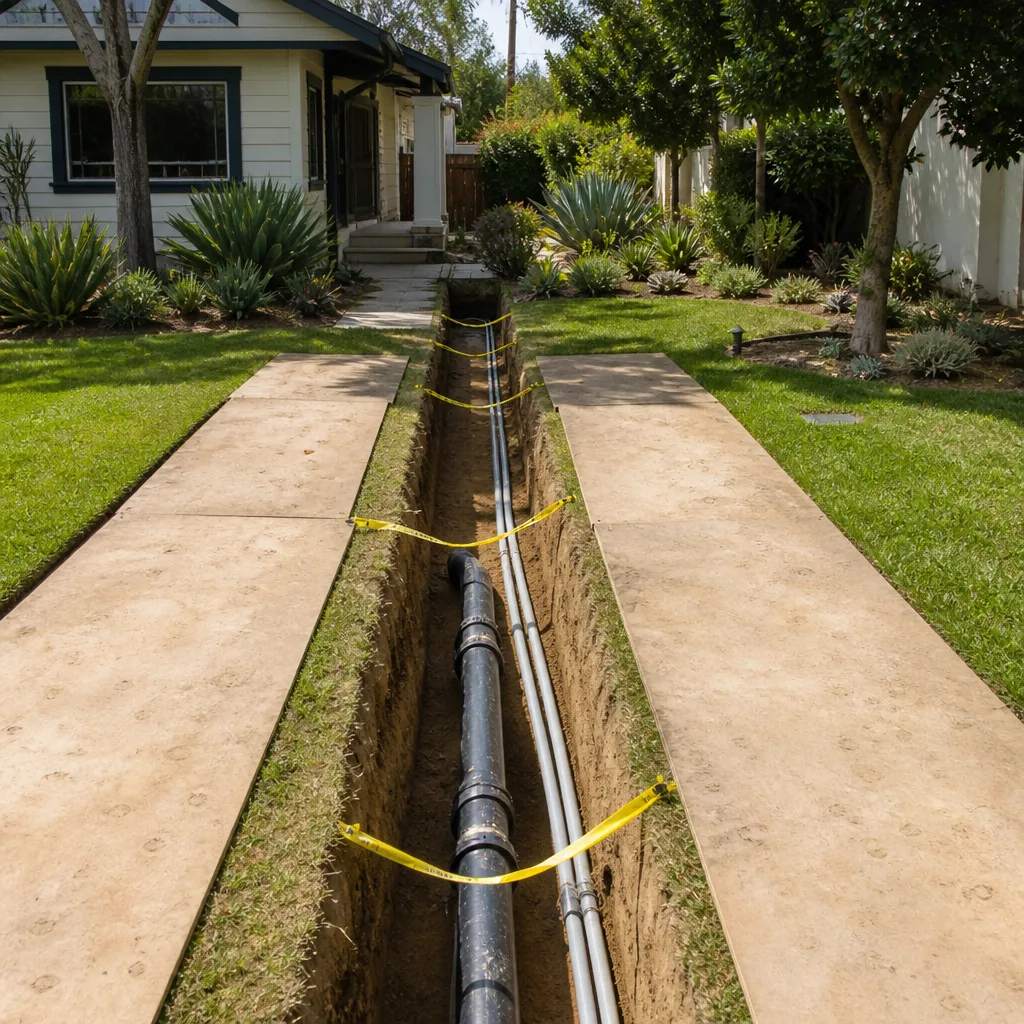
Here’s what you should expect to pay in the Houston market when site prep or utility corrections are needed on a Dvele home:
- Regrading and drainage correction: $4,000 – $12,000 depending on lot size and whether you need French drains, surface swales, or both.
- Foundation soil remediation (compaction, over-excavation, select fill): $8,000 – $25,000 for a typical Dvele footprint. Clay soil replacements cost more because you’re hauling out and hauling in material.
- Sewer lateral repair or replacement: $3,500 – $9,000 depending on depth and whether the city tap needs rework.
- Water service line correction: $2,500 – $7,500, driven by distance from the meter and whether we’re trenching or boring under existing landscaping.
- Electrical service upgrade or correction: $5,000 – $14,000 depending on amperage, meter base changes, and whether CenterPoint Energy needs to pull new service from the transformer.
Every quote we write includes a line-item breakdown: materials, labor, equipment, disposal, and permit fees listed separately. You’ll know the price before we start. The 365-Day Done Right Promise covers all our site prep and utility workmanship for one full year from project completion. If a trench settles or a connection fails because of something we did, we’re back at no charge.
DIY or Call Us?
Some site prep checks are safe to do yourself. Walk your lot after a heavy rain and watch where water goes. Check your electrical panel label against the Dvele spec sheet. Look at your water meter with all fixtures off and see if it’s still turning, which tells you there’s a leak somewhere underground. Those observations help you describe the problem accurately when you call.
What you should not do is attempt to excavate, trench, or open any electrical service equipment. Houston’s soil is heavy and trench walls collapse without proper shoring. Underground electrical lines can be live and unmarked, and hitting one can kill you. Gas lines are often routed through the same utility corridor. This is trained, licensed work. If you suspect a Dvele site prep failure, call us at (940) 242-3207 and we’ll diagnose what’s actually wrong before anyone starts digging.
FAQs
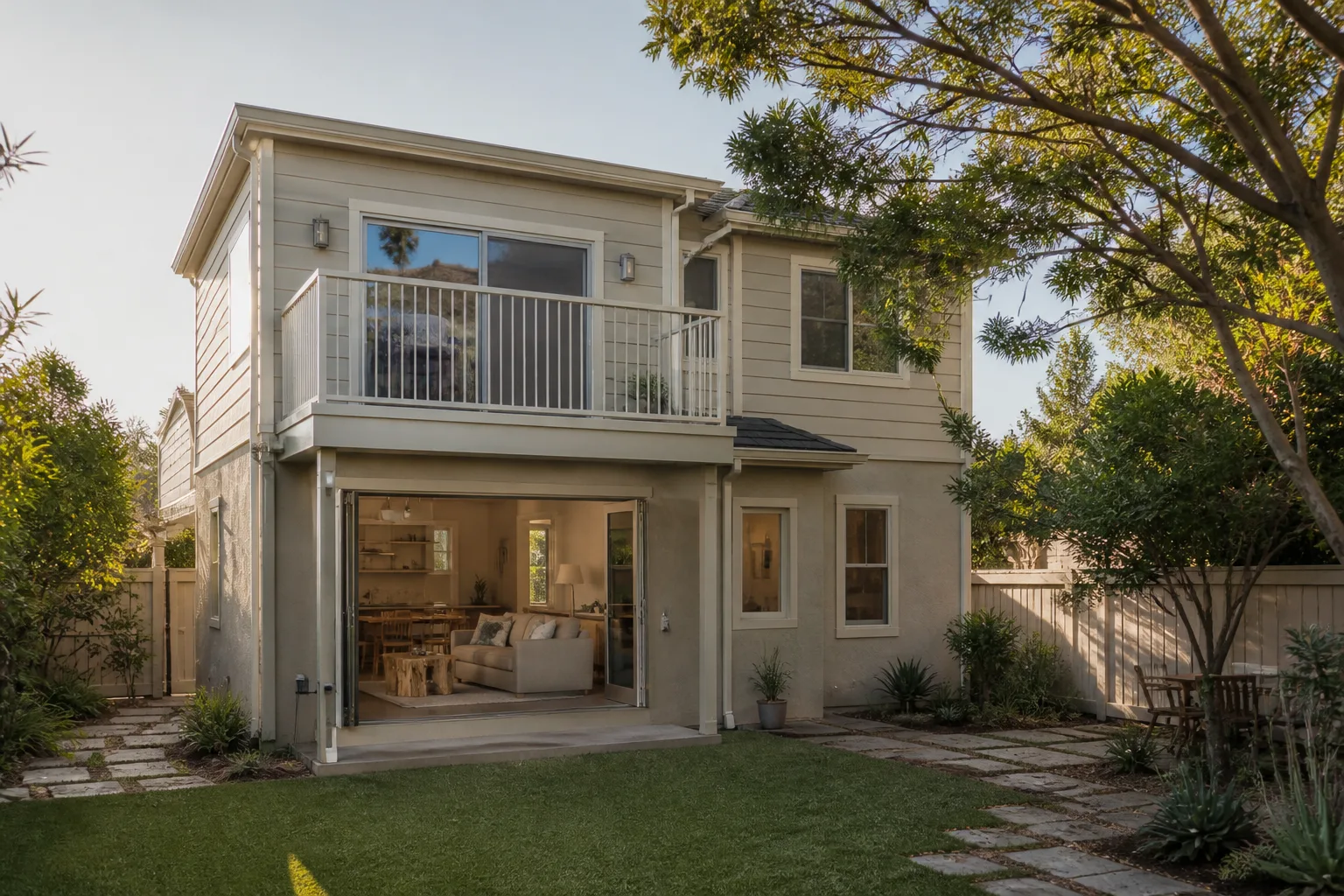
Properly executed site prep on a Dvele home should last the life of the structure. In Houston’s clay soil environment, the realistic expectation is that you won’t need corrective work if the original prep included proper over-excavation, select fill, and drainage. What fails early is usually the result of a shortcut: shallow fill, no drainage plan, or utility trenches that were backfilled without compaction. Call (940) 242-3207 if you’re seeing signs of movement and we’ll tell you honestly whether what you’re experiencing is normal Houston settling or a prep failure.
Most site prep issues can be corrected without tearing everything out. Regrading and drainage fixes are straightforward. Utility line repairs in a specific section don’t require replacing the entire run. The exception is a foundation prepared on uncompacted fill across a large area, which usually means lifting the structure, removing the bad soil, and redoing the base. That’s the worst-case scenario and it’s rare, but it’s why we always recommend a soils report before any Dvele goes on the ground. We’ll walk you through what’s repairable before quoting anything.
A typical drainage or utility repair takes 3 to 7 working days. Full foundation soil remediation can run 2 to 4 weeks depending on the size of the Dvele model and what we find when we start digging. Houston’s weather plays a role: heavy rain shuts down excavation work because wet clay can’t be compacted properly no matter what you do.
We stock the utility connection hardware Dvele spec calls for: service entrance conduit and fittings, meter base adapters, sewer lateral materials rated for Houston soil conditions, and drainage components. Dvele’s connection points use standard North American components, so there’s no proprietary plumbing or electrical gear to wait on. What we don’t stock, we can typically source same-week from our Houston suppliers.
If your Dvele feels like it’s fighting the ground it sits on, call Sutton ADU Houston at (940) 242-3207. Tell me what you’re seeing, what you’ve already checked, and what the Dvele spec sheet says. Tell me what you actually need the space to do, and we’ll figure out the rest from there. We’ll give you a written diagnosis and a fixed price before any work begins, and the crew that shows up will be background-checked, identity-verified, and photographed, with their names sent to you before they arrive. That’s the Threshold Standard, and it’s how we’ve worked since 2006.
Written by Miles Hartwell, Owner, Sutton ADU Houston at Sutton ADU Houston, serving Houston and nearby areas.